Strata Owner Education Program Water conservation in strata and small changes, big impact
Water conservation in strata and small changes, big impact
Water is one of the most significant operating costs in a strata building, and one of the most underexplored opportunities for savings. Small inefficiencies like leaks or outdated irrigation systems can add up to real costs over time. The good news is that practical solutions exist, and many of them are more achievable than you might think.
Strata communities across Australia are already finding creative ways to use less water and use it better.
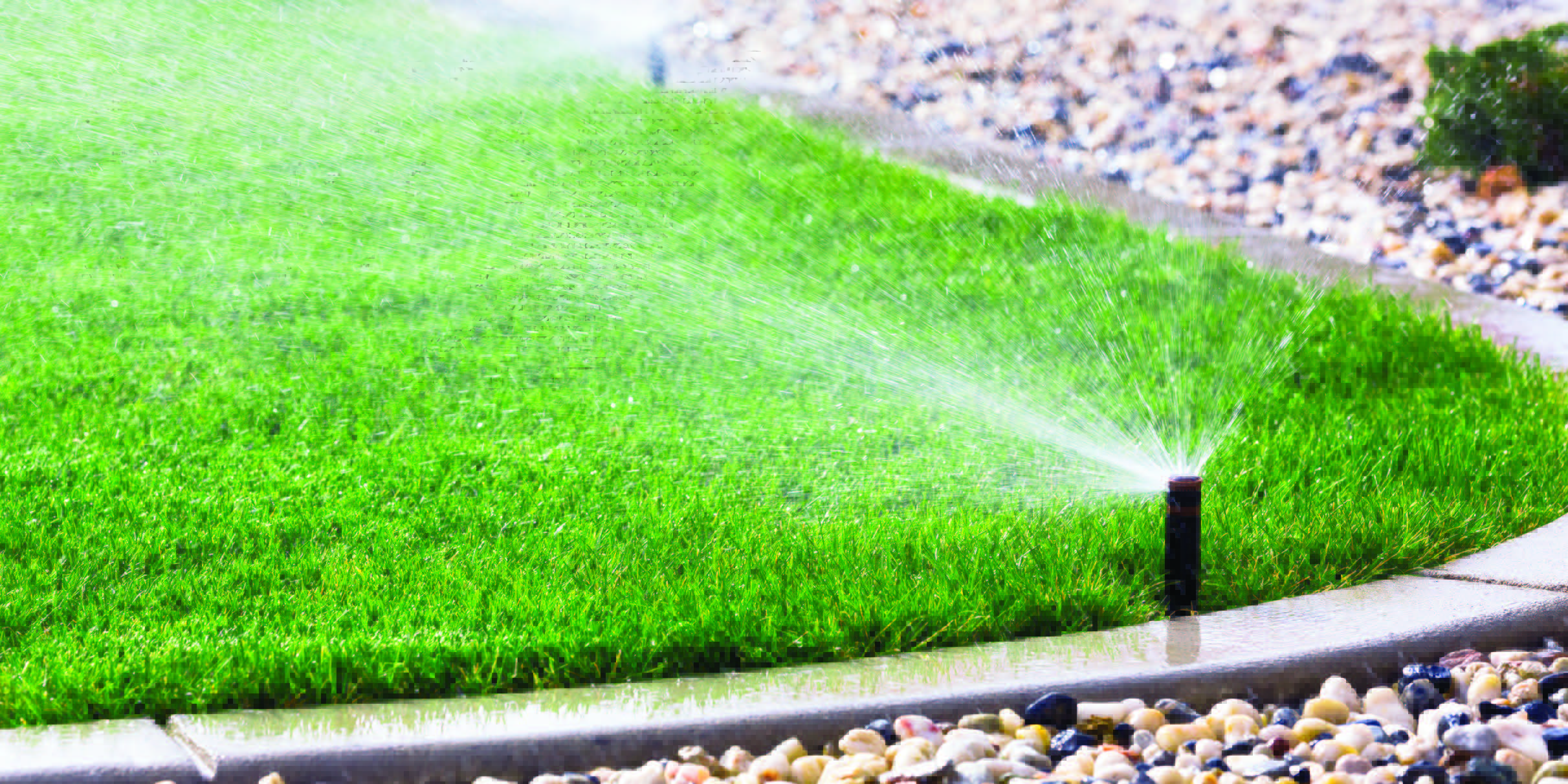
In Queensland, one building is installing smart drip irrigation for its gardens, replacing inefficient overhead sprinklers with a targeted system that delivers water directly to roots, reducing waste and supporting healthier plants. In Victoria, another building is installing a 5,000-litre rainwater tank to capture balcony runoff that currently goes straight into the stormwater system, repurposing it for garden irrigation.
Where do you start?
Begin with the common property. Are gardens being watered efficiently? Is there runoff going to waste? Are common area taps and fixtures checked for leaks regularly?
Rainwater harvesting, smart irrigation, drought-tolerant native planting and regular maintenance of shared plumbing infrastructure are all practical initiatives that can reduce water use and costs without a huge outlay.
Most projects like these need Owners Corporation approval, but many are eligible for rebates or grant funding, including the CHU Green Grant. It’s worth exploring what’s available in your state before you assume something is out of reach.
Water conservation in a strata building is a collective act. When owners and residents work together to use resources more wisely, the whole community benefits through lower operating costs, healthier shared spaces and a building that’s genuinely built for the future.
For information on water conservation rebates and sustainability funding available in your state, check with your local council or state government.