Strata Owner Education Program Native gardens and biodiversity and how your strata building can support local wildlife
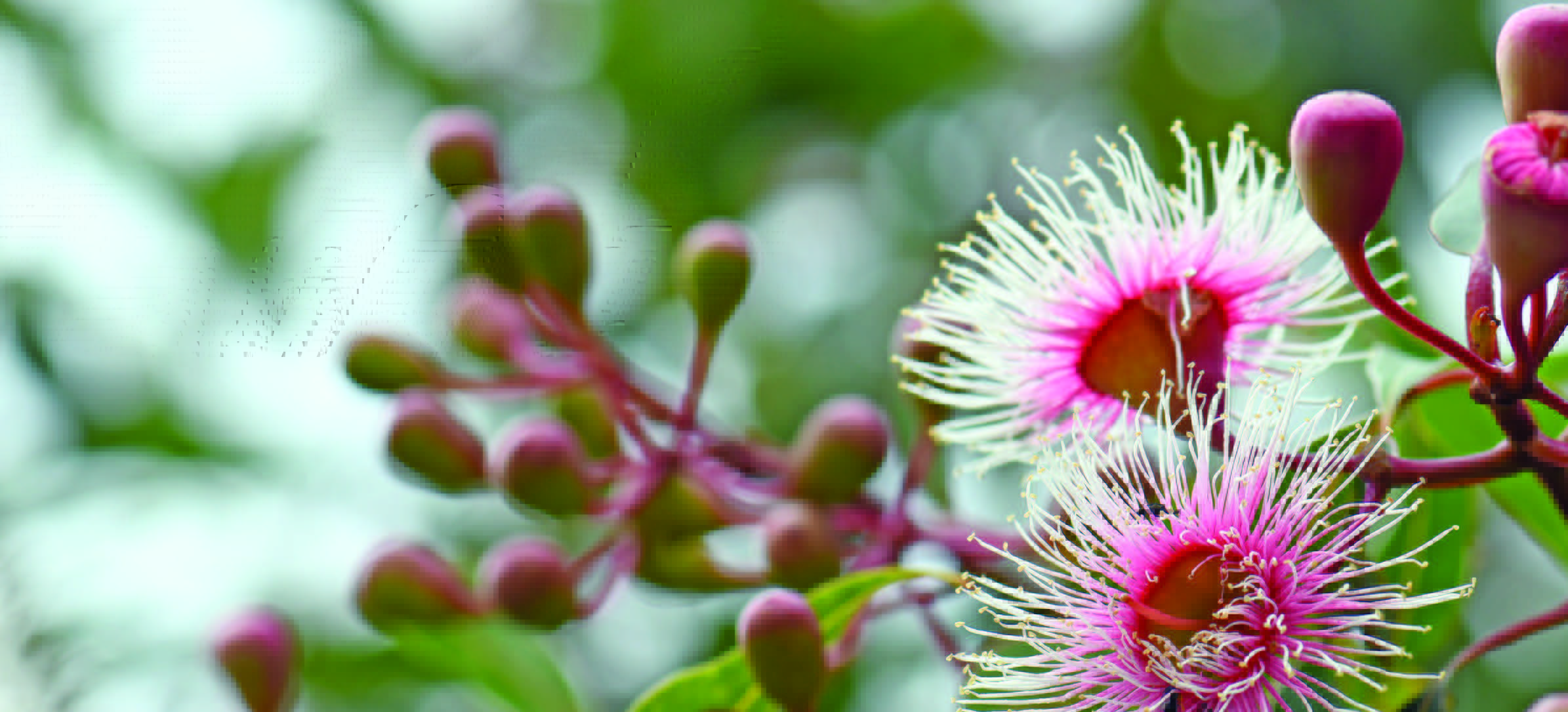
Native gardens and biodiversity and how your strata building can support local wildlife
The outdoor spaces in your strata building are more than just common areas. With the right planting choices, they can become habitats for local wildlife, reduce maintenance costs, and make your building a genuinely beautiful place to come home to.
Native plants are adapted to local conditions, which means they generally need less water, less maintenance and fewer chemicals than exotic alternatives. And they provide food and shelter for native birds, bees, insects and other wildlife that might otherwise struggle to find a foothold in urban environments.
Strata communities across Australia are already making this shift. In Victoria, one community is establishing indigenous native gardens across its common property, incorporating stone steppers, garden edging and habitat-friendly mulch, with residents planning and planting together. In Queensland, another community is undertaking a riverbank restoration project, removing invasive species and planting flood-resilient natives to support biodiversity and improve water quality along a visible urban corridor.
How do you bring this to your building?
Start by looking at what’s already planted in your common areas. Could any of it be replaced with lower-maintenance, more ecologically valuable native species? Even converting a single garden bed is a meaningful place to start.
Bring a proposal to your strata committee. A native garden initiative doesn’t need to be expensive or complex, and a simple plan with clear benefits is usually enough to get things moving.
It’s also worth reaching out to your local council. Many councils offer free native plants, advice and support for urban greening projects, so you may find there’s more help available than you expected.
Native planting is a practical, beautiful and genuinely impactful way to improve your building’s common areas while contributing to something bigger. Your garden becomes part of a broader urban ecosystem, and the whole community is better for it.
For advice on native planting and local greening programs, get in touch with your local council.