Strata Owner Education Program Defects in your building and who is responsible?
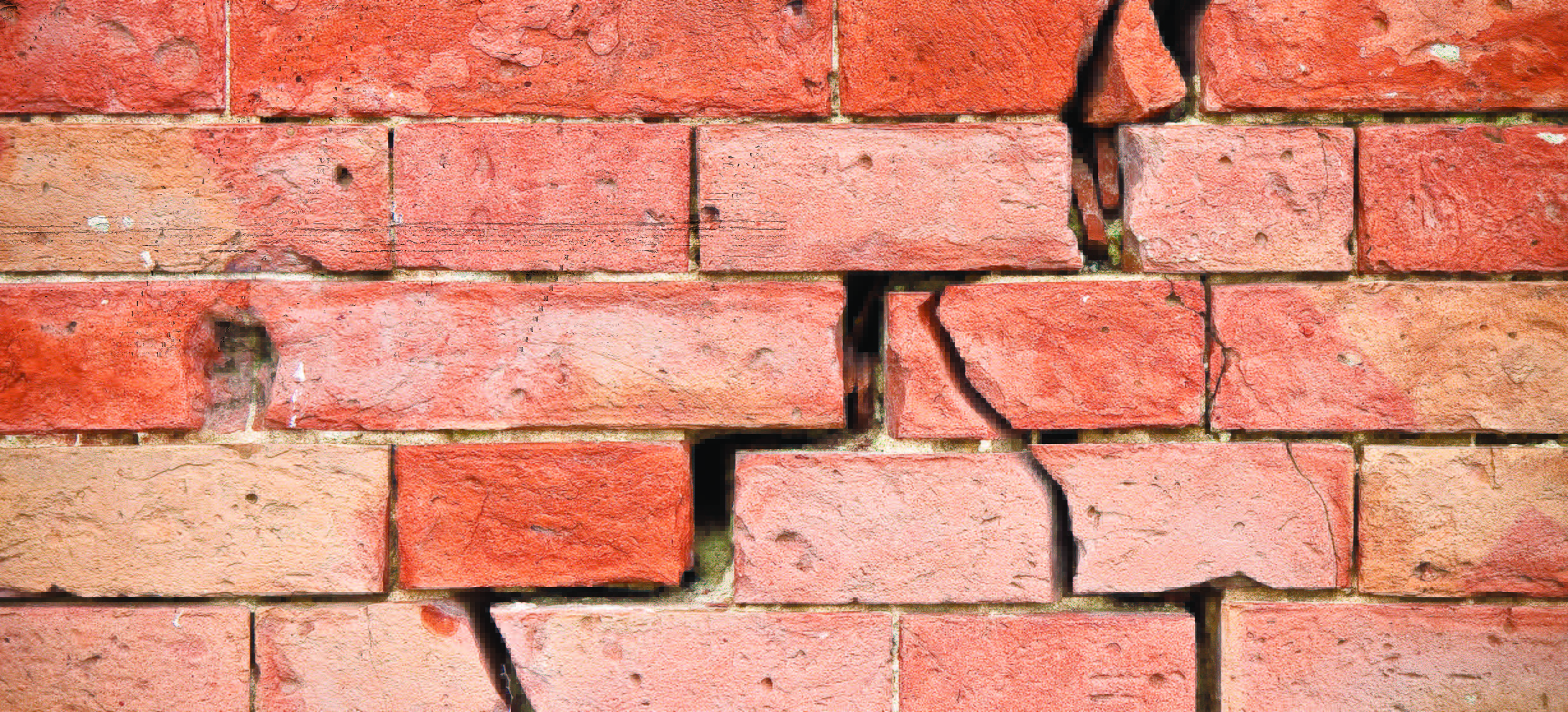
Defects in your building and who is responsible?
Building defects are one of the most stressful issues facing strata owners, particularly in newer buildings. Non-compliant fire safety protections, water ingress, combustible cladding, structural cracks and failures are not rare occurrences. They affect a significant proportion of strata buildings across Australia.
What is a building defect?
A building defect is a fault or failure in the construction or design of a building that means it doesn’t meet the required standard. Defects can range from minor cosmetic issues, like a crack in a tile or a door that won’t close properly, to major structural problems that affect the safety and value of the building.
Who is responsible?
This depends on several factors, including where the defect is located, when it arose, and the strata legislation and construction warranty periods that apply in your state or territory.
Generally, defects affecting common property are the Owners Corporation’s responsibility to pursue, by seeking remedial action with the builder or developer. Defects within a lot may be the individual owner’s responsibility, depending on the nature of the defect and the applicable warranty period.
Most states have statutory warranty periods during which builders are required to fix defects. In New South Wales, the major defect period is six years.
What should you do?
- Document everything: photographs, written records and dates
- Report the defect to your strata committee or manager in writing as soon as you notice it
- Find out what warranty period applies in your state and make sure you act within it
- Get legal advice early if the builder is unresponsive or the defect is significant
A building that addresses defects promptly is a safer, stronger community. Owners who understand their rights and act on them protect not just their own property, but the building everyone calls home.
For information on building defect rights and warranty periods in your state or territory, speak to your strata manager or seek independent legal advice.