
18/11/2025
4 min

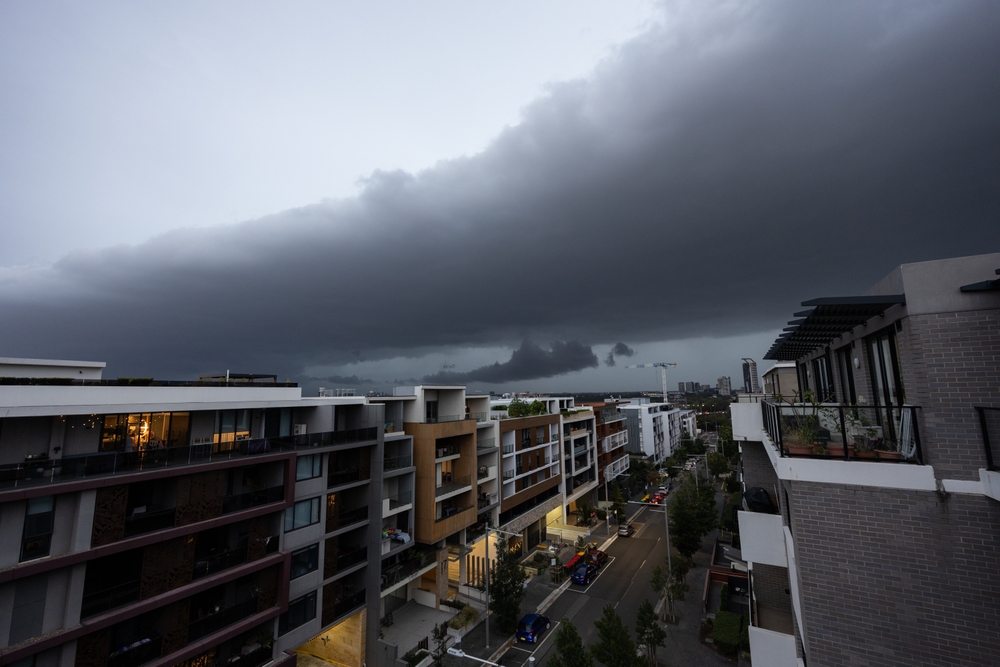
From cyclones and floods to severe storms, catastrophes can have a profound impact on strata communities. In a recent Strata in Conversation episode, CHU’s Alex Burkitt and Fatema Gilitwala were joined by Patrick Driscoll from the Cyclone Testing Station to discuss how buildings, committees, strata managers, brokers and insurance providers can better prepare for these events, and what effective catastrophe response looks like when disaster strikes.
While headlines tend to focus on the aftermath of a catastrophe, the conversation highlighted a different reality: resilience is determined long before the first weather warning is issued. The condition of a building, the decisions made by committees, the suitability of insurance cover and the readiness of residents can all influence how well a community responds and recovers.
For strata communities, effective catastrophe management relies on a coordinated effort between insurance providers, brokers, strata managers, owners and residents. Preparation, maintenance and clear communication can make the difference between a building that recovers quickly and one that faces prolonged disruption.
Why catastrophe claims are more complex in strata
Catastrophe recovery in strata is fundamentally different from a standalone home.
A single damaged building may contain dozens of apartments, townhouses or villas, meaning one claim can affect hundreds of people. Residents need regular updates on safety, access and repair timelines, while strata managers, committees, contractors and insurance professionals must work together to coordinate the response.
Shared ownership adds another layer of complexity. Building elements such as roofs, gutters and common property are collectively owned and maintained, meaning repair decisions involve multiple parties. At the same time, owners may be navigating the differences between what is covered by common property insurance, contents insurance, and landlord insurance, as well as potential gaps in coverage or underinsurance.
As one of CHU’s Underwriting Managers, Fatema Gilitwala explained during the conversation, a catastrophe claim is often much more than a damaged building. It can mean dozens of families displaced from their homes, all seeking information, support and reassurance during an already stressful time.
Building resilience starts before a claim
One of the strongest messages from the discussion was that insurance should be viewed as a last line of defence, not the first.
As Patrick Driscoll from the Cyclone Testing Station put it:
“Insurance is a last resort. A building owner should only be making an insurance claim as an absolute last resort.”
Driscoll emphasised that resilient buildings perform better not only during catastrophes, but also during everyday weather conditions. Years of post-event investigations have consistently shown a strong relationship between maintenance standards and a building’s performance during severe weather.
The connection between maintenance and resilience is critical. Buildings that are maintained are better prepared to withstand extreme conditions and recover more quickly when damage does occur.
Common issues that can increase vulnerability include:
While these issues may appear minor during normal conditions, they can contribute to significant damage during prolonged rain, strong winds or flooding. Importantly, insurance providers in some instances can decline cover for damage that could reasonably have been prevented through ongoing upkeep.
Driscoll likened strata buildings to complex machines. Like any machine, they require regular servicing and attention. When maintenance is deferred, weaknesses can emerge that may only become obvious when a severe weather event places the building under stress.
Education matters before disaster strikes
Maintenance is only one part of the equation.
Throughout the discussion, Fatema Gilitwala repeatedly returned to the importance of education. Not because owners need to become experts in insurance or disaster response, but because understanding the basics before an event occurs can make a significant difference when decisions need to be made quickly.
For strata communities, that might mean understanding the difference between building and contents insurance, knowing who to contact following an event, or simply being aware of the building’s maintenance priorities and vulnerabilities.
Strata managers and brokers often play a key role in that process. In many cases, they have the deepest understanding of a building’s history and maintenance needs, putting them in a strong position to guide committees and owners before severe weather arrives.
As Gilitwala observed, once a catastrophe is on the doorstep, it is too late to begin planning for it.
How CHU prepares before catastrophe strikes
Preparation at CHU begins well before an event is formally declared a catastrophe.
Using policy mapping technology and building attribute data, CHU can identify customers who may be exposed to a forecast weather event and work proactively with brokers and strata managers to communicate with owners and provide important information that will be useful in the event of an incident.
This includes analysing factors such as:
This information helps CHU build an understanding of a property’s vulnerability and begin planning before claims start arriving.
With almost 50 years of strata experience, CHU has developed dedicated catastrophe response processes designed specifically for the unique challenges of strata communities.
According to CHU Claims Relationship & Governance Manager Alex Burkitt, preparation is one of the most important elements of successful catastrophe response.
“Experience enables us to stay one step ahead and forecast how a weather event may impact our customers so we can be proactive rather than reactive.”
How CHU responds when catastrophe strikes
When a catastrophe occurs, CHU activates a dedicated catastrophe response model designed to support customers, brokers and strata managers through the recovery process.
This includes specialist catastrophe claims consultants, rapid claim triage, emergency make-safe works, deployment of loss adjusters and building consultants, and close coordination with repair networks and industry partners.
The model is designed to scale quickly during major events while maintaining service standards and ensuring customers receive clear and timely communication throughout the claims process.
The human side of recovery
Behind every claim are people whose daily lives have been disrupted. Families may need temporary accommodation. Residents may be uncertain about when they can return home. Committees and strata managers are often managing dozens of enquiries while trying to coordinate repairs and keep owners informed, while in some cases dealing with damage to their own homes from the same event.
For many people, their property represents their most valuable asset. More importantly, it is their home.
For insurance, the challenge is not simply restoring a property. It’s helping a community navigate a difficult and often stressful period as quickly as possible.
Ensuring you have the right cover
No amount of preparation can eliminate every risk.
That makes appropriate insurance coverage an essential part of any catastrophe preparedness plan.
Committees should regularly review:
Importantly, these reviews should happen well before storm or cyclone season. Once a major event is approaching, insurance providers may place restrictions on new policies or increases to coverage, which means it will be too late to address insurance gaps.
Working with an experienced Broker can help ensure the building remains appropriately protected as replacement costs and exposures change over time.
Preparation starts long before the forecast
If there was one consistent message throughout the discussion, it was that resilience is decided long before a cyclone forms offshore or floodwaters begin to rise.
Regular maintenance, informed decision-making, appropriate insurance cover and strong collaboration between committees, strata managers, brokers and insurance providers all contribute to stronger outcomes when severe weather strikes.
Whether it’s clearing gutters, reviewing valuations, investing in resilience upgrades or helping owners better understand critical priorities in building maintenance, small actions can make a meaningful difference.
Catastrophes may be unpredictable, but preparation doesn’t have to be.
Interested in joining our Strata in Conversation live webinars?
Subscribe to our mailing list and be the first to hear about upcoming episodes