


16/07/2026
3 min
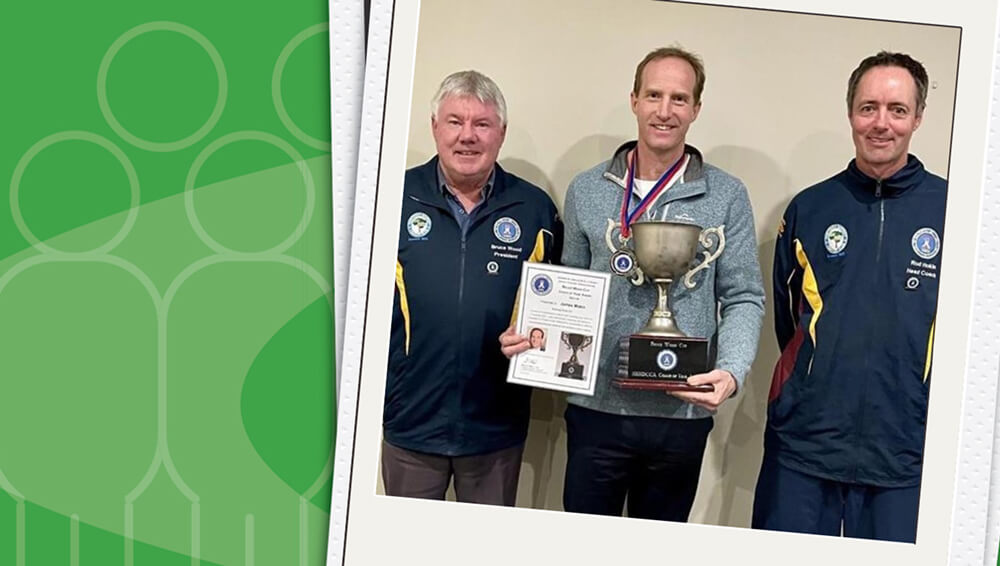
James Makin is affectionately known as Master of Coin at CHU. As the CFO and COO, he has led the finance, portfolio management and operations side of CHU for the past eight years. He has over 30 years of experience in insurance, and extensive actuarial experience both here in Australia and overseas.
He is proof that, even in a senior role, the CHU family-friendly values live and breathe at every level of the business. Affectionately known in cricket circles as Jamaican, James runs senior cricket at one club, West Pennant Hills Cherrybrook, and has coached junior teams at Kissing Point Cricket Club for 11 years. The role of coach requires dedication, and James was recently recognised as Coach of the Year by The Coaches Association. The nomination described James as, “the perfect combination of calm, considered, enthusiastic and inspiring”.
We spoke with James at this busy time to discuss the benefits of a flexible, family-friendly workplace and how he makes it a healthy habit.
At CHU, we understand that work-life balance is crucial for our employees’ well-being and productivity. We offer flexibility around working hours and the mix of home and office work, which allows our team to manage their personal and professional lives more effectively. We also provide various wellbeing programs and encourage our employees to make the most of their leave entitlements.
One program I’m a big fan of is the new (and already very popular) Working AdvenCHUre program, which allows our team members to work from anywhere in the world for up to 6 months. Before having a family, I had a few stints overseas that turned into wonderful life experiences, but there was no guarantee that a job would be waiting for me when I got back. This program enables the same adventures, but with job security as well.
It is not just me that has benefited from CHU’s flexible workplace, but my whole family. I’ve been able to be much more involved in family life, including coaching my kids’ teams at cricket, netball, soccer and basketball. Anyone who’s not involved in their kids’ sport is missing out – it’s great fun! I’ve loved mentoring and motivating the teams over the years.
There are so many parallels between sports coaching and corporate life. Leadership, patience, and the importance of clear communication are all skills that are directly transferable to my role at CHU. Leading a team, whether in sports or in business, requires an understanding of individual strengths and personalities, awareness of the emotional responses to what’s being said or done, and the value of fostering a supportive and inclusive environment.
The whole Makin family is involved in cricket. I’ll have the pleasure of playing with both my sons this year (catching them on the rise, while I head the other way!), and my wife Fiona spent many volunteer years helping run the junior club, as well as managing individual teams.
The value of office time is well recognised and understood. You can have much higher quality conversations and meetings when held in person, and you can’t beat turning around and bouncing an idea off someone when you’re working through a problem.
It’s like cricket: practising in the nets (working from home) can be so productive and great for honing skills, but you also need proper game time, working with your teammates (in the office), to become a great cricketer.
So, enabling a combination of office and home-working, along with flexibility around the mix and timing, has been extremely valuable to both CHU and its CHUmans. It reduces stress, increases job satisfaction, and improves overall productivity. The team have the freedom to work in a way that suits them best, which often leads to better performance and creativity. It’s also very clear that the team is prepared to give back when we’ve hit extremely busy periods; willingly putting in the extra effort to support our customers and company initiatives.
A healthy working environment comes down to respecting and supporting our unique and diverse team with policies that support a healthy, flexible and inclusive workplace. I think it’s so important that our team take time for themselves and their interests outside of work. Engaging in activities that they are passionate about can provide a great sense of fulfilment and balance.
Unfortunately, home/office flexibility creates a challenge for figuring out your tax deduction for working-from-home expenses! Find an easy way to keep track of your WFH time to make the most of that benefit.
And check out what you can and can’t do re contributing more to your super (or your spouse’s super). It can be a tax-effective way to invest, and in some cases the government will also chip in a matching contribution.