

16/07/2026
3 min
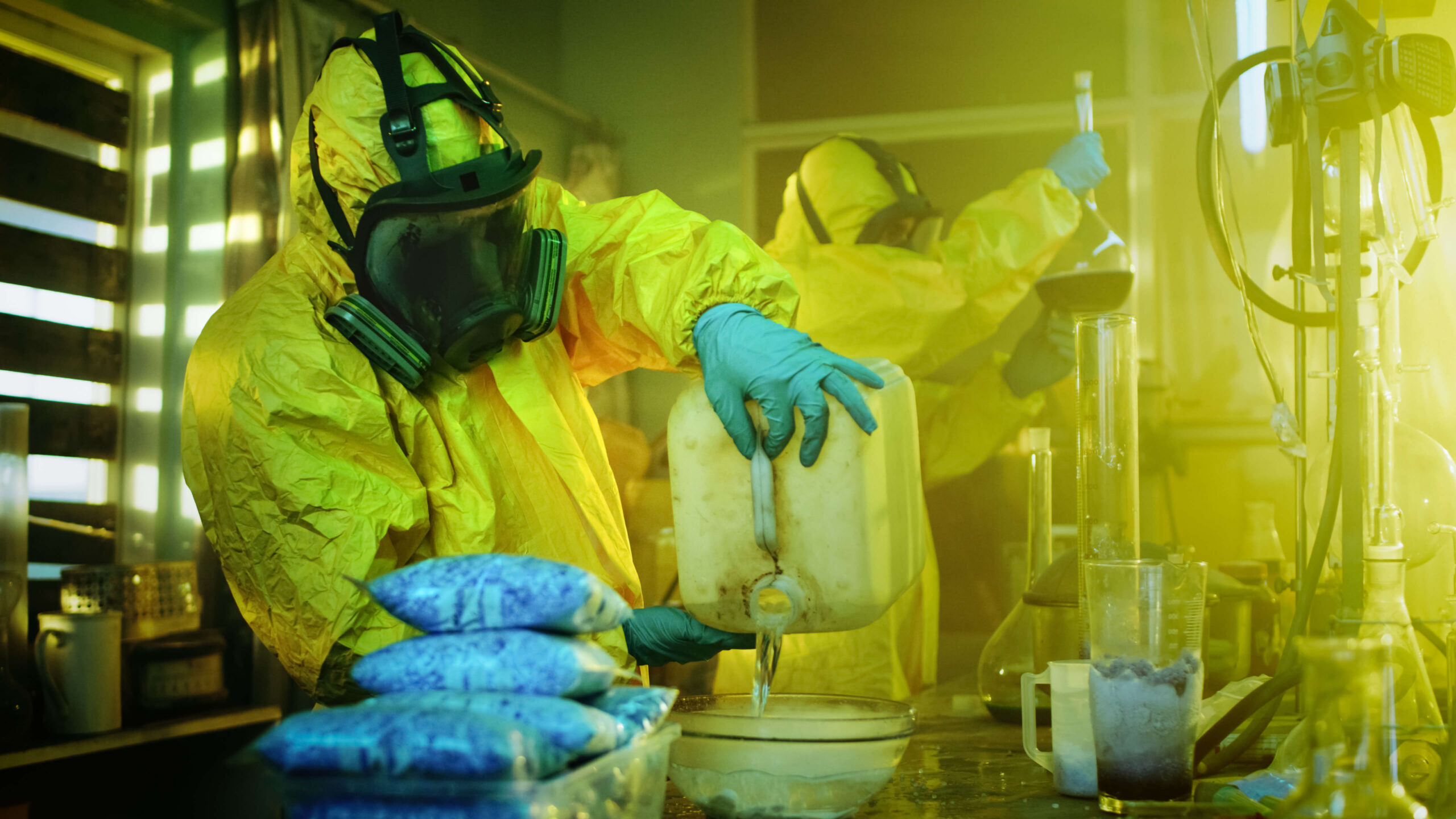
The manufacture and use of the illicit drug crystal methamphetamine, commonly known as ice, is rising rapidly across Australia.
According to the latest figures from the Australian Criminal Intelligence Commission, more than eight tonnes of crystal methamphetamine were consumed between August 2016 and August 2017.
During the same period, nearly 600 clandestine drug laboratories — or clan labs — were detected nationwide, including 234 in Queensland.
Data from the Real Estate Institute of NSW suggests the problem is also leaving a growing footprint in the property market. Around 10 per cent of properties in New South Wales are estimated to contain methamphetamine residue above Australian guideline levels, equating to at least one contaminated home on many streets.
As Minister for Justice Michael Keenan noted at the time, “Nationally, around two-thirds of the clan labs detected were in residential locations, posing significant risks to surrounding communities. These sites are used to covertly manufacture illicit drugs or their precursors, with many of the chemicals involved both hazardous and corrosive in nature.”
For landlords, the risks are substantial — not only the threat of fire or explosion, but the often significant cost of remediation when contamination occurs.
CHU, Australia’s leading strata insurer, advises property owners to remain alert to potential warning signs of clandestine drug activity. These may include windows that are blacked out or permanently covered, occupants who display secretive or erratic behaviour, and patterns of inconsistent occupancy.
Frequent short-term visitors at unusual hours, often waiting in vehicles, can also be an indicator, as can the presence of unusually high levels of security without clear reason. Strong chemical odours — including solvents, acids, ammonia or liquorice — may also be present.
Other warning signs include discarded chemical containers, metal drums, wiring or PVC piping, often with labels removed or obscured, as well as unusual waste disposal behaviour, such as avoiding regular collection or using neighbouring bins.
Authorities emphasise that suspected drug labs should never be approached directly. If there are concerns a property is being used for illicit drug manufacture, the matter should be reported to police.