The Importance of Preparedness
The floods in Northern New South Wales in 2022 that made headlines around the world are a stark reminder of the devastating impacts that natural disasters can cause. The NSW government has predicted that the cost of building and infrastructure damage from natural disasters like this could reach $9.1 billion per year by 2060, as more frequent and severe events increasingly impact homes, businesses, and government infrastructure.
Strata Insurance plays an important role in disaster recovery. In the event of a flood or similar event, having the right insurance can help reduce financial loss and speed up recovery. With flood insurance, insurers like CHU can respond quickly and efficiently when a disaster like this happens.
Understanding Catastrophe Insurance Cover and how CHU can help
What is catastrophe insurance?
Catastrophe insurance is a type of insurance designed to protect against high-cost events such as floods, earthquakes, hail, and fires. Catastrophe insurance applies or an event that the Insurance Council of Australia declares a catastrophe and issues a catastrophe code.
This coverage is essential because it provides additional financial protection for events that lead to an escalation in costs associated with rebuilding, over and above that covered in the standard property section of the policy.. Catastrophe insurance is crucial for helping individuals, businesses, and communities recover and rebuild after severe damage, many of which carry both financial and emotional burdens.
Types of disasters covered by CHU Insurance
CHU’s strata insurance provides coverage for a variety of natural disasters, including:
- Floods
- Storms
- Bushfires
- Lightning
- Cyclones
- Earthquakes
- Tsunamis
CHU’s proactive approach to disaster management
As one of Australia’s largest and most awarded insurance underwriting agencies, CHU makes sure it’s well-prepared for such events. CHU’s nation-wide claims and assessing teams regularly practice and work through simulated scenarios under pressure to ensure they are well-prepared to help customers as soon as possible.
Geo mapping technology used by CHU Insurance
One valuable aid that CHU has established is Geo mapping. It allows you take raw data and turn it into a Geo map. By visualising location data in this way, you can immediately understand information that could otherwise take hours to comb through and interpret.
CHU’s Geo mapping shows all of CHU risks within a certain postcode or location on a single map. CHU can use this data to be proactive in the event of a catastrophe. We can contact customers directly or their brokers and authorised representative in the area to check if the insured needs our help with make safe, repairing damage, emergency accommodation, etc.
This also enables CHU to draw together a net of potentially affected risks which we can then base our resource plan on.
CHUAssess: Streamlining the Claims Process
Speed in assessing what actions and repairs are required is crucial and CHU has established CHUAssess, a unique, agile, internal loss assessment team. Decisions are made on the spot by CHUAssess. It has complete control of on-site assessment and settlement and provides on-site approval of works, speeding up repairs and settlement. The claim is handled by the assessor, not claims consultant – removing a layer in the process.
The assessor will decide what needs to be done with builders and restorers quickly appointed.
CHU has an experienced panel of builders and restorers to ensure quality repairs are efficiently carried out. The panel of restorers was established to ensure there is no long-term impact from the original disaster, such as mould from the water damage. The restorers will ensure the appropriate work is carried out and help reduce claims costs. Plus, the quality of the work is guaranteed by CHU.
Technology is one way of helping our customers. During a surge environment such as a CAT, CHUs broker partners can log into the claim file in Strata tech (CHUs claim operations system) and receive a real time update. Including all the automated updates on the repair process from our Builder platform Endata. Of course the most valuable tool when such disasters as the March flooding strikes is simply – talking to the customer.
We work closely with brokers and strata managers to contact customers to explain what is happening and what we are doing to help.
Talking to a real person in the very stressful time after disaster strikes is an advantage.
Case study: CHU Insurance’s immediate response to the March 2021 floods
In most cases, a catastrophe hits a single area. Not with the March 2022 flooding. This time there were eight areas, spanning 400kms of coastal areas affected by flooding, not including the areas hit by general storm damage (which went into Queensland). So, we plotted all our risks, colour-coded each to show which had flood cover and which had not put together a detailed plan.
As soon as the claims team is contacted they immediately swing into action, triaging the claim and deciding how best to quickly help customers get back onto their feet. For example, to ensure the customers’ property is safe and secure the claims team may organise for temporary emergency make-safe repairs to be carried out before full repairs are started.
Commitment to Customer Support
CHU is deeply committed to supporting its customers through challenging times. By providing adequate strata insurance, we take a proactive approach to catastrophe management, ensuring we are well-prepared to respond quickly and effectively when disasters strike. With advanced tools like Geo mapping and having a dedicated internal team ready to handle your claims, we can make on-the-spot decisions to ensure repairs are completed efficiently. This allows you to focus on rebuilding and recovering without facing any additional financial or emotional stress.
Contact us to learn more about our strata insurance solutions and how we can help protect your strata building.
Date published: 19 April 2021, updated 3 October 2024
The past decade has seen technology advance at a rate like never before, this coupled with upheaval due to COVID-19 has seen the way we go about our daily lives undeniably changed forever. Technology has changed the way we communicate, work, consume television, music and media, how we bank, pay bills and even date.
The rate of change has drastic impacts on all industries. It has manifested itself as new business models while upending old ones, it has disrupted business strategy and increased customer demand. Today, customers demand change, they expect simple, transparent products and services as we adopt and embrace technology; and the strata industry is no different.
Therefore, raising the question, how is technology changing the strata landscape, and what does the future hold for the strata industry?
1. Making our buildings smarter and more secure
Undoubtedly, prevention is better than a cure. Through the application of networked and smart devices in buildings, we could achieve protection of both people and property.
There is an array of devices available in the market:
- Smart locks, thermostats and lighting – all of which can be controlled remotely on phones and devices
- Water leak detectors – sending alerts and notifications to you and your building manager before a major issue occurs
- Smart home energy – enabling the control of appliances remotely and also providing recommendations to obtain better energy efficiency and lower utility costs
- Smart garage door devices – being able to open your garage door by a fob or an app on your phone and importantly allowing you to close it remotely in case you have forgotten
In addition to the added security and convenience provided by these devices, adopting such technology reduces energy consumption and lowers a strata building’s carbon footprint. For strata owners, this not only appeals to more eco-conscious tenants and buyers (potentially increasing property value), but it can also lead to significant savings through lower energy bills.
2. Switching to solar and LED
As we become ever more energy conscious, society strives for environmentally sustainable and renewable sources of energy. Such demand has created revolutionary markets, initially with solar and battery storage, through to the creation of electric cars, pushing down emissions and minimising our fossil fuel footprint.
Small and simple changes can revolutionise the way we utilise energy, such as solar panels affixed to buildings to power our homes. This could be then coupled with the installation of battery charging stations to power electric and hybrid cars. Or very simply switching to LED light bulbs in common spaces and within owner’s properties.
Adopting technology like solar panels and smart energy systems transforms strata properties into greener, more sustainable living environments. These simple upgrades make a huge impact on reducing the environmental footprint by minimising energy consumption and over-reliance on non-renewable resources.
As more properties incorporate these technologies, they pave the way for communities and developers to prioritise eco-friendly practices in construction and management.
Such simple steps can help reduce our carbon emission output and associated energy costs which is a win for the environment and a win for the finances.
3. Adopting Virtual Reality
The phenomenon of virtual reality (VR) captivated audiences worldwide through the smartphone game Pokémon Go back in 2016. Now, VR technology is shifting the way the strata industry operates. VR can simplify the sometimes repetitive and time consuming questions needed to obtain necessary building details, as the underwriter can place themselves at the scene. This is even more impressive when it comes to accident resolution. One example of this is CHU Inspect. CHU Inspect offers a whole new level of innovation when it comes to building management, strata building insurance, maintenance, and repair services.
Utilising advanced technology, CHU Inspect can map out the internal and external measurements of a building with precision and intricate detail. It provides a wealth of data that can be utilised by multiple experts to report on damage, defects or assist in decisions on maintenance and repair of buildings.
They can also expedite the claim process and reduce the pain felt during a stressful situation.
4. An intelligent automated building
Like most of us, a daily routine is commonplace in our lives. From the moment we wake, to the morning shower, our breakfast habits, the work ritual and the evening’s cooking and entertainment. Within this routine, we utilise a multitude of devices that could be both efficiently and effectively managed.
Through the collection of sensory data, our repetitive patterns can optimise the use of applications. The application of sensors to buildings that would turn off the light that you mistakenly left on or adjust the temperature accordingly. Moreover, we could ensure that the power supply is disabled when you’re not home through to locking both doors and windows as you exit your home.
Such sensory application can only serve to reduce accidents and unnecessary costs while increasing both your security property and comfort.
While some of the technologies may seem a distant future, some are already being used in strata properties. The momentum for change is growing and strata industry will soon be receiving the benefits.
5. Resident engagement tools
For strata properties, clear communication between management and tenants is vital. From raising concerns to chasing up payments and scheduling maintenance, effective communication ensures all facets of a strata property run smoothly and efficiently.
Resident engagement tools like digital platforms and apps are integrative and interactive solutions for strata managers looking to streamline communications and day-to-day management.
For example, residential communication software, ResVu, is a platform that enhances the way strata managers engage with residents. The automation tool facilitates feedback forms, surveys, and organising social gatherings and community events all while providing integrated SMS and email for prompt communication.
These tools are beneficial because it fosters a sense of community and enhances resident satisfaction. Any concerns can be addressed quickly and efficiently, and daily management tasks can be streamlined for a more harmonious living environment.
6. Cost-benefit analysis
Adopting smart building technologies for strata properties involves upfront costs but they are quickly offset by the long-term savings on energy bills and reduced replacement/maintenance costs.
There are various financing options and Government incentives available to support the construction of a smart strata building or the addition of smart technologies in an existing property. For example, the Victorian initiative, Solar for Apartments, offers qualified applicants funding of up to $2,800 per apartment, or a total of up to $140,000 for buildings with up to 50 apartments, to install solar panels on their rooftops.
Up to 60% of energy consumption in large buildings like apartments come from common areas while around 25% of the administrative fund is spent on utility bills. Implementing energy-efficient solutions for strata buildings can potentially reduce common property energy consumption by up to 40%.
The cost of installing these technologies is outweighed by long-term savings, along with the environmental benefit of reduced carbon emissions. Additionally, these enhancements can increase the strata property’s value and, most importantly, contribute to the health and wellbeing of residents by providing a more comfortable and efficient living environment.
This article was supplied by CHU Underwriting Agencies
Important note: CHU Underwriting Agencies Pty Ltd (ABN 18 001 580 070, AFS Licence No: 243261) acts under a binding authority as agent of the insurer QBE Insurance (Australia) Limited (ABN 78 003 191 035, AFS Licence No: 239545). Any advice in this article is general advice only and has been prepared without taking into account your objectives, financial situation or needs. Please read and consider the relevant Product Disclosure Statement (PDS) before you make any decisions about this product. A copy of the relevant PDS is available at www.chu.com.au.
As an owners corporation or body corporate of a strata property, it is your shared responsibility to ensure that the physical property, including all the shared common areas, is adequately insured. Strata insurance is essential for safeguarding your strata property, and understanding the factors that influence its cost and coverage is key.
For instance, if your strata building is damaged and requires repairs or rebuilding, rising labour and material costs can potentially affect insurance premiums. This highlights the importance of not only having strata insurance but also performing regular valuations to ensure your property remains adequately protected over time.
In this article, we’ll look at how these factors influence strata insurance and why maintaining adequate coverage is crucial in protecting your property and avoiding underinsurance.
Understanding replacement value vs market value
Strata insurance should be based on the replacement value of a property rather than its market value. Market value refers to the current sale price of a property on the real estate market whereas replacement value or full rebuild value is the cost of rebuilding or repairing the property to its pre-loss condition. While market value affects the sale price of the strata property, it does not account for the specific costs required to rebuild or repair it.
While there are some minor differences in legislation between states and territories, a common theme across all jurisdictions is the need to insure for full replacement and reinstatement value.
Due to fluctuations in building costs, owners corporations are required to obtain an updated estimate of all expenses related to replacing or repairing the building.
These costs include:
- Building code compliance: This covers the costs associated with meeting current safety and construction standards. Building codes may require updated materials or methods that can significantly affect the cost of rebuilding.
- Debris removal: After a disaster, there are expenses related to clearing debris from the site. This process involves not just physical removal but also proper disposal, which can be costly.
- Labour costs: Labour costs can influence the replacement value of a strata property since they directly impact the overall expense of rebuilding or repairing. In times of high demand or labour shortages, wages may rise, leading to increased costs for construction services. This means that even if market values drop, the cost to replace or repair a property may remain high. Therefore, accurately reflecting labour costs in your strata insurance coverage ensures that your strata property is fully protected against potential financial shortfalls in the event of damage or loss.
- Materials: The cost of construction materials and supplies, such as timber, steel, and concrete, often exceeds market values. Material prices can be volatile and may increase due to supply chain issues or higher demand.
Ensuring that your strata insurance covers these factors based on replacement value is essential for adequate protection.
Factors influencing replacement balue
Several factors impact the replacement value of a strata property, including:
- Inflation: High inflation increases the cost of materials and labour, driving up replacement costs even if property values decline.
- Building codes: Updated building codes may require more expensive materials and construction techniques, raising replacement costs.
- Building Price Index: This index tracks changes in construction costs over time, which can affect replacement costs regardless of property market values.
For instance, the national Building Price Index (as of Q2 2024) showed a 0.5% increase, reflecting ongoing pressures on construction costs, according to CoreLogic. Even though this is slower than previous years, costs remain significantly higher than pre-pandemic levels.
Rising costs of materials and labour can significantly affect strata insurance, for example:
Two years ago, a strata building was insured for $5 million. If construction costs have risen by 30% due to increased material and labour costs, the replacement value could now be around $6.5 million. In the event of significant damage, an outdated insurance sum might not cover the full replacement cost, leaving a potential $1.5 million shortfall.
Can declining property values impact strata insurance?
Even if property values decline, the replacement value of a building remains unchanged. Factors such as debris removal, labour, and materials are not directly influenced by market values. Therefore, reducing insurance coverage based on declining property values can lead to inadequate coverage. Consider this example:
A strata building once valued at $10 million might now be worth $8 million due to a market downturn. However, the cost to rebuild remains at $10 million due to ongoing expenses. Reducing insurance coverage to match the lower market value could leave a significant coverage gap.
What Happens if Your Strata is Underinsured?
If a property is inadequately insured, unit owners may be left with substantial financial burdens in the event of significant damage or loss. With increasing living costs and potential market downturns, maintaining adequate insurance coverage is more crucial than ever.
Tips To Ensure Adequate Insurance Coverage
- Regular valuations: Obtain a new building valuation regularly, regardless of whether this is a legislative requirement, ensure you engage a suitably qualified professional to assess and value your building on a full replacement and reinstatement basis.
- Include all additional costs: Make sure the professional expert factors all necessary additional costs (such as removal of debris, professional fees and taxes, escalation of costs during the rebuild phase, etc).
- Justify coverage adjustments: If the professional expert determines a sum insured lower than the existing level of cover, obtain justification to clarify the decrease.
- Report renovations: Make owners aware that any works within their unit should be notified to the Body Corporate to ensure this is factored into the overall building sum insured.
- Understand coverage limits: While CHU’s strata policy does not provide cover for Lot Owners Contents (CHU can provide cover for contents under a separate Landlords or Contents policy), fixtures and structural improvements do form part of the Insured Property and are therefore covered by the Body Corporate insurance policy. A simple notation on an AGM agenda paperwork would create awareness surrounding this requirement.
- Prepare for disaster: Ensure you have adequate protection for the worst case scenario – Past catastrophes and natural disasters have illustrated the significant escalation of costs associated with rebuilding.
Make sure your building sum insured is adequate to provide protection if the unthinkable were to occur and consider safeguarding any potential shortfall in cover by obtaining catastrophe insurance, designed specifically to protect against the escalation of costs as a result of a catastrophe.
Please note, catastrophe cover is not a top-up for underinsurance and is only applicable in the event of a declared catastrophe by the Insurance Council of Australia.
Insure your strata building adequately to avoid underinsurance
Understanding the impact of rising costs on strata insurance helps maintain adequate coverage. Whether house prices are rising or falling, the replacement value of your property is the determining factor for your choice of insurance coverage. Regularly updating residential strata insurance to reflect the true replacement cost is essential to avoid issues such as underinsurance and potential financial strain. To ensure your strata property is adequately covered, contact CHU Insurance today.
Important note
Insurance issued by QBE Insurance (Australia) Limited ABN 78 003 191 035 and distributed by CHU Underwriting Agencies Pty Ltd ABN 18 001 580 070 AFSL 243261. Any advice in this document is general in nature and does not take account of your personal objectives, financial situation and needs. Read the relevant Product Disclosure Statement before acquiring any products mentioned.
The ICA has released a new fact sheet which outlines best practice standards for Expert Reports in Insurance Claims. The new standards, developed by the Insurance Council of Australia (ICA), will provide greater clarity and consistency for customers when independent expertise is required to assess claims.
The Expert Report Best Practice Standard, was created in response to consumer concerns raised in the Parliamentary Inquiry and ongoing Review of the General Insurance Code of Practice. It ensures that reports by experts, such as hydrologists, engineers, and builders are clear, factual, timely, and considers the customer, especially in time of vulnerabilities of customers.
The New Standard for Expert Reports
The ICA’s Expert Report Best Practice Standard establishes clear guidelines for the creation and use of expert reports. The standard aims to ensure that all expert reports used in the insurance industry adhere to the principles of clear communication, factual and neutral reporting, and timely delivery.
The Expert Report Best Practice Standard set out by the ICA establishes the following requirements:
- Plain and Clear Language: Expert reports must be written in a manner that is easily understood by policyholders, avoiding technical jargon where possible.
- Factual and Neutral Reporting: Reports should be objective and based on facts, without bias or influence from either party.
- Timely Delivery: Expert reports should be produced and delivered promptly to ensure that claims are processed without unnecessary delays.
- Consideration of Relevant Matters: The report should focus on the specific issues relevant to the claim, considering all pertinent factors.
- Objectivity: Experts should maintain independence and objectivity throughout their assessment and reporting.
- Clear Customer Engagement and Opportunities for Feedback:Policyholders should be engaged in the process and given the opportunity to provide feedback on the report.
- Consideration of Customer Vulnerabilities: The process should take into account any vulnerabilities the customer may have, ensuring that they are treated with empathy and respect.
- Relevant Qualification Details: The report should include information about the qualifications and expertise of the person or team responsible for the assessment.
CHU welcomes this initiative from the ICA in creating a more transparent and fair process for policyholders, giving property owners greater confidence in the handling of their claims.
Navigating the complexities of strata insurance claims can often be daunting for property owners and strata managers, especially when expertise is required to assess damage or determine the validity of a claim.
As part of the claims management process, CHU has in-house expertise and can offer strata property owners support in working through building issues such as defects or maintenance support and advice throughout the building remediation process.
Expert Building Consultants
The CHU Consult team is composed of experienced, qualified and licensed builders with deep expertise in building assessments, defect identification, scoping, and project management. Their extensive experience allows them to provide precise technical advice, helping clients understand the intricacies of building structures and pinpointing the root causes of most issues. This expertise ensures that the building reports produced by CHU Consult are thorough, factual, and tailored to the specific needs of each property.
In cases where specialised expertise is necessary, the CHU Consult team is adept at coordinating and engaging external professionals, such as structural engineers or certifiers. This collaborative approach ensures that every aspect of a building’s condition is carefully evaluated and that all necessary steps are taken to address any defects or concerns. By assembling the right team for each project, CHU Consult delivers comprehensive building reports that provide clients with impartial, factual, clear, actionable insights, ensuring the best possible outcomes for their properties.
Learn more about CHU Consult below:
Building Inspections
CHU has been working with clients to provide more efficient and cost-effective inspection and reporting to improve visibility and accuracy in the claims process and for asset management and maintenance.
CHU Inspect offers advanced virtual building inspections, assisted by AI-driven visual damage detection and reporting to collect critical data both internally and externally. The service is particularly valuable for clients in the insurance, asset management, facilities management, and strata management sectors. The CHU Inspect team operates a nationwide network of professionals equipped with the latest technology, including custom hardware and software tailored to industry needs. Their internal scanners can quickly generate accurate floor plans and create next-generation 360-degree virtual walkthroughs of entire buildings, which can be easily exported to any device. This technology not only captures a comprehensive view of the building but also creates a living history by documenting completed works and repairs, allowing for detailed tracking and management of the property.
A key feature of CHU Inspect is the ability to host virtual walkthroughs with suppliers and stakeholders, complete with tags and annotations to streamline information sharing across the supply chain. This capability significantly enhances response times during major events like floods or fires, providing completion and progress audits that ensure integrity through the managed repairer model. CHU Inspect drives a new level of safety across operations by minimising the need for physical inspections on ladders and roofs, instead leveraging AI-powered technology to deliver more thorough, accurate and timely results. This innovative approach not only improves safety but also ensures better outcomes in a fraction of the time.
Learn more about CHU Inspect below:
CHU’s Commitment to Excellence in Claims Management
At CHU, we recognise the importance of these standards and creating a transparent process for policyholders, strata managers and brokers, our reports and processes are in line with these new guidelines as part of our commitment to claims service excellence.
We have implemented integrations and system enhancements to improve transparency and accountability of the claims process via ClaimsView and integrating ENData giving brokers real-time access to information at every stage of the claims life cycle.
A Consumer-Focused Approach
The introduction of the ICA’s Expert Report Best Practice Standard is a positive development for the insurance industry, particularly for strata property owners.
For CHU, this new standard aligns perfectly with our longstanding commitment to excellence in customer service and claims management. We understand that the insurance claims process can be stressful, and our goal is to make it as smooth and transparent as possible for our customers.
At CHU, we are proud to support and implement these standards through our CHU Claims and Strata Services. We believe that by adhering to these principles, we can continue to provide our customers with the high level of service they deserve.
Access the ICA’s Expert Report Best Practice Standard
Learn more about CHU Strata Specialist Services by contacting the CHU Services team
Building defects are a common issue across Australia for apartment owners and strata managers. In fact, according to a Deakin University report, building defects are considered inevitable, with common defects including design flaws, plumbing and drainage issues, faulty wiring, unsafe cladding and defective roof coverings. The report examined the rising number of defects that have led to significant distress for affected residents and owners.
It is important to note that while defects may be excluded from the property section of the policy, the exposure may carry over to the liability section of the policy.
The good news is: most buildings with defects are still insurable, if you’re proactive
Residential strata insurance policies typically have exclusions when it comes to covering buildings with defects. But that doesn’t automatically mean insurers have no exposure to potential claims. Insurers will evaluate the severity of the defects, the age of the building, any pending legal action, and any plans for remediation of these defects when determining the risk and level of insurance they will undertake, as well as the premium and excess.
Known defects may be excluded under the property section of the policy, however, the exposure under liability coverage remains. In the event of a building disaster that injures or causes death, the bulk of the claim may likely come from the liability section of the policy. While exclusions for defects may apply under the property section, unless the insurer can categorically prove the exclusions apply in the event of a property claim, there is potential for the insurer to pay claims that may be attributable to defects.
Does this mean that strata property owners can ignore defects?
The exposure of accepting risks with defects will be determined by the insurer and if accepted will most likely come with a higher premium and excesses.
Strata property owners are strongly advised to address the defects in their buildings, either immediately, post construction, or as soon as they are identified (hopefully within the warranty period).
At CHU, we recommend owners work with reputable suppliers who are committed to rectifying the defects and maintaining their good reputation. Remediating defects as they come to light will reduce the risk of these becoming the cause of larger issues down the track.
Owners and strata managers must take reasonable care to provide accurate information about the known defects and have a duty to not misrepresent the details of a building they are seeking to insure.
If the owners have been as proactive as possible, by making attempts or establishing plans to rectify the issues (including make safe works, where required), an insurer will look upon this more favourably.
Understanding common types of strata defects
Building defects can arise in both new and existing strata properties which can significantly impact your finances and the comfort and safety of your tenants and guests. These defects can range from minor aesthetic issues to major structural damage. To maintain your property value and peace of mind, owners must be aware of the common building defects that occur in strata properties:
1. Structural defects
These include issues with the building’s foundation, walls, and roofing. Structural defects may arise from poor construction practices or age, often resulting in wall cracks, sunken floors, peeling paint, and compromised load-bearing walls.
2. Waterproofing
Inadequate waterproofing can lead to water leaks, rot, mould, blistering paint, and raised/cracked walls and floors. This is especially common in wet areas such as bathrooms, balconies/patios, and roofs.
3. Cladding
Non-compliant lightweight cladding, including materials like aluminium composite panels (ACP) and expanded polystyrene (EPS), is a frequent concern in strata buildings. This type of cladding may significantly increase the risk of rapid fire spread within the building.
4. Electrical
Faulty wiring, outdated electrical systems, overloaded circuits, and broken switches can lead to power outages, electrical shocks, and fires – all of which can cause significant damage to the building’s structure and endanger tenants.
5. Plumbing
Common plumbing and drainage issues like blocked drains, leaking pipes, water pressure issues, and broken fixtures can lead to water damage, mould growth, and structural damage. If these issues are left unaddressed, the risk of costly repairs increases, along with potential health hazards due to damp conditions and mould.
Tips for Preventing Defects in New Strata Developments
While building defects are often seen as inevitable in strata properties, adopting a proactive approach can significantly reduce the likelihood of defects in a new strata development.
Thorough inspections during construction phase
Thorough inspections at each stage of the construction phase are essential to mitigate any potential defects early, ensuring they are addressed before they become costly problems. Regular inspections by qualified professionals can identify issues such as poor workmanship, non-compliant materials, or design flaws. This will ensure that building standards are met and potential defects are minimised.
Role of developers and builders in defect prevention
Developers should work with experienced and reputable builders and contractors. These professionals are responsible for overseeing the quality of materials used and ensuring that construction practices adhere to industry standards. Maintaining clear communication between each party will help to address any concerns and reduce the likelihood of defects occurring in your new strata development.
Finding a reliable contractor
Selecting reliable contractors is one of the most important steps in preventing defects. Developers and builders should vet contractors by checking their credentials and cross-checking their Australian Business Number (ABN), reviewing past projects, and checking their references or customer reviews. Look for contractors who are licensed, insured, and have a reputation for high-quality workmanship in strata developments.
Extraordinary circumstances warrant extraordinary outcomes.
In some cases, especially in extraordinary circumstances, outcomes can vary. Here are some examples of cases we know of:
The collapse of the Champlain Towers South complex in Miami in June 2021 was a tragic incident that resulted in the loss of 98 lives. A consultant had urged the managers of the building to repair the cracked columns, crumbling concrete, and poor waterproofing three years before the collapse. However, the repairs were delayed, and the building eventually collapsed before the work could be completed.
Following the tragedy, investigations revealed that the building had persistent water leaks and had been exposed to corrosive salt air for years. The exact cause of the collapse is still under investigation.
In June 2022, a settlement was reached in the case, with a total payout of $1.02 billion to be carried across the insurance carriers for the 31 entities involved. The building’s insurer contributed towards the settlement.
According to Mark Friedlander, a spokesperson for the Insurance Information Institute, the insurers’ decision to pay their portion of the settlement was a business decision made to avoid the time, expense, and inconvenience of litigation. While the insurers involved have settled, they have denied any wrongdoing or liability in the case. He also noted that insurers would not volunteer to pay such a large amount of money if they did not believe they had some liability in the case.
The settlement in the Champlain Towers South case highlights the importance of building maintenance and prompt repairs in ensuring public safety. It also underscores the role of insurance in mitigating the financial risks associated with liability claims arising from such incidents.
There are also examples within Australia, some of which are still to be finalised, including Opal Tower and Mascot Towers, where litigation is still taking place between owners, developers and insurers.
It’s important to note that every strata insurance claim is unique, and the outcome of each claim will depend on the specific circumstances of the case.
To ensure the best insurance outcome, the most important thing for owners of a building with defects is to provide as much information as possible to the insurer, including the nature and severity of the defects, and any plans for remediation. The insurer may also require additional safety measures to be put in place, such as fire safety equipment or safety barriers until such time as the defect is addressed.
Every insurer has a different view on the level of risk they can accept.
“Our client base is looking to CHU as a market leader for help wherever possible,” said CHU Head of Underwriting Steve Tchepak. “So while conversations may be frustrating from time to time, we always put our customers at the heart of every decision, which includes our duty of care. Insureds need to understand that the exposures defects present are real, and this is why we assess defects the way we do.”
If you have a client with known building defects or you would like to discuss our policies further, please get in touch with our underwriting team or your CHU BDM.
Or you can watch our recent Building Defects webinar featuring Claire Burke from the National Specialty Risk Team, and Renee Reiri, Head of Underwriting Service Delivery.
CHU is proud to announce that we have been awarded the prestigious Excellence in Environmental, Social, and Governance Change (ESG) Award at the 20th Australian Insurance Industry Awards. This recognition highlights our unwavering commitment to embedding sustainability into our business practices.
Over the past year, CHU has made significant strides in this area, including becoming a signatory to the Strata Community Association (SCA)’s Sustainability Charter, forming a dedicated Green Team, and aligning strategic priorities with the United Nations Sustainable Development Goals (SDGs).
The judges commended CHU’s submission, which incorporated data to demonstrate progress toward specific SDGs, including minimising environmental impact, promoting diversity and inclusion, and fostering meaningful partnerships. The judges were also impressed with CHU’s ongoing support of the community through its work with multiple charities including Forktree Project, OzHarvest, Starlight Children’s Foundation and GO Foundation.
In 2023, CHU placed particular emphasis on improving sustainability within our supply chain. We undertook an extensive RFI process, vetting over 90 builders to select a new panel of Builders and Repairers for CHU Claims. A key part of this selection focused on quality, ethical practices, and sustainability credentials. CHU continues to work closely with the newly appointed Builders Panel to achieve a common goal of net zero Scope 3 carbon emissions across our entire supply chain.
“I am so proud of this award for CHU,” said CHU CEO Kimberley Jonsson. “As we celebrate this recognition, we remain focused on our customers and community.
“CHU is committed to leading the strata industry towards a sustainable and resilient future, and we will continue to innovate, collaborate, and uphold high standards of governance and social responsibility.”
In addition to winning the ESG award, CHU was also honoured to be recognised as a finalist in two other categories: Claims Team of the Year and Underwriting Agency of the Year. These accolades are a testament to the hard work and dedication of our entire team and CHU’s commitment to delivering service excellence and great customer outcomes.
Craig Stanley is CHU’s National Business Development Manager (BDM) based in Queensland. Craig joined CHU in 2020 and has built an impressive career in the insurance industry with over 30 years of experience. Craig has held various roles including underwriting, sales and distribution management. During this time, he has acquired extensive technical knowledge across many lines of insurance, including Strata Insurance (both Residential and Commercial Strata) and enthusiastically shares that knowledge with his CHU clients and fellow team members.
Craig has delivered industry presentations to brokers on topics such as risk appetite, defects management and strata property preparedness. He was a key instigator of the extremely popular webinar series focused on providing monthly educational sessions for brokers and strata managers to help develop their knowledge of strata. His customer-centric approach focuses on building strong, trust-based relationships with clients, priding himself on going the extra mile to provide the best solutions.
Speaking of going the extra mile at work, Craig draws inspiration from his personal passion of running marathons to guide his long-term career focus at work. We took an opportunity to talk to Craig on his marathon training and how it helps him in his day-to-day role at CHU.
How did you get started with marathon running?
Running has been a lifelong passion for me and a great way to help manage the stresses of life. I don’t know how many sunrises I’ve seen but I’ll often stop and take a photo whether it be on the Brisbane River or one of my favourite runs being Hell’s Gates at Noosa for the sunrise. I’ve made many friends from running with different groups and we often enjoy the coffee after the training which is a reward for the work we’ve done together.
Prior to COVID-19, I had run eight marathons, many of them in different states of Australia and I was ready to take it to the next level by doing an ultramarathon called Comrades in South Africa. I had qualified and the trip was all booked, and I was ready to go! But, as we know, everything changed and whilst I continued to run locally, many events were cancelled during the 2-of-3 years of COVID.
I trained for and completed my first marathon post-COVID in May 2024 at Noosa. It was a great event and I enjoyed it because I had my whole family there and my oldest son Angus did his first half marathon. In fact, it was better seeing him stick to a running plan over months and then go out and complete his goal. It was quite emotional to see.
Q: How often do you train, and what does your training regimen look like?
In training for the marathon, I’d generally train four times a week, with sessions for speed, hills, tempo, long and slow runs on the weekend. In the 6 months leading up, I was building from about 45–50 kilometres per week to around 70 kilometres.
Since the marathon, I’ve cut back a session and doing more gym now to get that stronger core, which I know I should have done more previously. It’s really paying off and I’m sure I’ll have fewer injuries because of it.
How does marathon running help you stay focused and motivated in your professional life?
Running in general is just so good for your physical and just as much, if not more, for your mental health.
Running has taught me a lot about goal setting. Running a marathon is a great goal as only approximately 1–2% of the population has ever run a marathon. For me personally, it is a 6-month goal, which is a long time, but you are still breaking it down in smaller 4-week blocks in the lead up, and if you put the work in you will achieve it. You also don’t want to go too hard, too early, because you may get injured. You’ve probably heard the saying ‘it is a marathon, not a sprint’, well that can be said about many things in life whether it be personal or the work environment, especially conferences :).
You’ve mentioned running the ultramarathon Comrades in South Africa as a goal. What inspires you to aim for that?
It is the world’s largest and oldest ultramarathon race, between Durban and Pietermaritzburg, and approximately 88 kilometres of up-and-down hills, and there is a strict cut-off of 12 hours to complete it. It’s a run I’ve had friends complete and looks like an unbelievable experience. I’m very keen to do it with a group and it’s a goal, more likely to be 2027. I’m inspired because it’s a run that seems out of reach. I don’t know that I can physically do it but I’m doing the work now to put myself in a position to have a crack at it.
What advice would you give to someone looking to start marathon running while managing a busy workload?
Plan for the long run! Start with smaller, achievable targets and build gradually. It’s important to set realistic goals and create a training schedule that leads you to your ultimate longer-term goal. Consistency is key, so even if you can only run a few times a week, make those runs count.
If you can book in some smaller runs, I enjoy participating in the charity runs such as the Bridge to Brisbane. Listen to your body and prioritise recovery to avoid burnout. Finally, find a support system, whether it’s a running group, family, or friends, to keep you motivated and accountable.
Any final thoughts for your clients and colleagues at CHU?
I would encourage everyone to give it a go! Running is just so good for both your physical and mental health. Having that goal gives you more purpose and direction and I’ve found it to be a great way to form and build strong bonds when going for a jog with someone. I’ve had some of the best therapy sessions when running with people, and it’s free.
If you share this common interest, I’d love to hear from you! I have found that participating in fun runs and events is always more fun when it is with my colleagues, clients and friends – so don’t be a stranger!
As an owners corporation or body corporate of a strata property, it is your shared responsibility to ensure that the physical property, including all the shared common areas is adequately insured.
Residential Strata Insurance covers owners for the shared or common areas of their property and is a mandatory insurance across most of Australia. A crucial first step is to understand the potential risks associated with underinsurance and the significance of obtaining accurate building valuations.
Strata properties, such as apartment complexes or townhouses, present unique challenges when it comes to insurance coverage. The cost to insure the building is shared between all the apartment owners, and if something unforeseen occurs, and your building is not adequately insured, then the replacement cost associated with repairs will become a shared burden of all the owners.
In our previous article, we outlined how the recent escalation of building material costs and inflation pressure has widened the gap between the current building sum insured and the actual cost of full replacement should a disaster strike.
If you haven’t had a building valuation or adjusted your building sum insured on your strata insurance policy in the past few years, then the chances of your building being underinsured is likely.
The role of building valuations
Building valuations play a crucial role in determining the appropriate level of insurance coverage for strata properties. A building valuation is an assessment of the property’s replacement cost, considering factors such as construction materials, labour costs, removal of building debris, professional fees and allowance for cost escalation over time. It provides an estimate of the amount of insurance coverage required to rebuild or repair the property in case of an unforeseen event.
In most states and territories in Australia, it is mandatory to obtain a building valuation every five years, but given the recent hikes in construction costs, it is strongly recommended to obtain a building valuation more frequently.
Why accurate building valuations are essential
Adequate Insurance Coverage: An accurate building valuation ensures that the insurance coverage matches the actual rebuilding or repair costs. It helps property owners avoid being underinsured, providing peace of mind in knowing that their property is adequately protected.
Fluctuations in the market for building materials and skilled trade’s people have seen many buildings at risk of being underinsured. Therefore, a detailed valuation will account for more than just the replacement value, they will factor increased building costs due to CPI increases, natural events and other disasters.
An accurate building valuation will assist owners by:
1. Reducing financial risk
Underinsurance can result in significant financial risk for strata property owners. If a disaster occurs and the insurance payout is insufficient, owners may be responsible for covering the shortfall.
2. Avoiding costly insurance disputes
Accurate building valuations can help prevent disputes with insurance companies over the adequacy of coverage. By having a professional valuation conducted and providing evidence of the property’s true replacement value, property owners can avoid potential conflicts during the claims process.
3. Complying with legal obligations
Owners corporations have a legal obligation to insure the building for the full reinstatement and/or replacement value.
What does an Insurance Valuation cover
A valuation of a strata building for a replacement cost assessment should
- Cover the cost of the buildings and common property
- Include external features and each lot’s permanent fixtures and improvements
- Include other factors including inflation, professional fees, cost escalations, compliance with regulations of building development at current standards, demolition, cost of external items (pavements, fencings, recreation facilities which are on-site) and lastly, the removal of debris.
How to obtain a building valuation
To obtain an accurate building valuation, strata property owners should consider the following steps:
- Engage a Qualified/Reputable Valuer: Hire a professional valuer experienced in strata property assessments. They will conduct an independent assessment of the building’s replacement cost, taking into account various factors such as location, construction type, and building regulations.
- Obtain more regular valuations: While the legal requirement states this should be undertaken every 5 years, it is recommended to undertake it at least every 2 years, especially in the current inflationary market.
- Review your building sum insured on your policy: Regularly review your insurance policies to ensure they align with the most recent building valuation. Consult with an insurance broker or your insurer directly to understand the coverage limits and any additional provisions that may be necessary for protection.
- Seek Expert Advice: Consider engaging a strata management company or insurance broker to assist in obtaining a professional valuation and updating your policy accordingly.
Strata property owners need to be proactive in addressing the risks associated with underinsurance. By conducting more frequent building valuations and updating their building sum insured, property owners can safeguard their investments and protect themselves from financial burdens in the event of damage or loss.
If you have a current CHU residential strata insurance policy and would like to check your sum insured, please feel free to contact us.
James Makin is affectionately known as Master of Coin at CHU. As the CFO and COO, he has led the finance, portfolio management and operations side of CHU for the past eight years. He has over 30 years of experience in insurance, and extensive actuarial experience both here in Australia and overseas.
He is proof that, even in a senior role, the CHU family-friendly values live and breathe at every level of the business. Affectionately known in cricket circles as Jamaican, James runs senior cricket at one club, West Pennant Hills Cherrybrook, and has coached junior teams at Kissing Point Cricket Club for 11 years. The role of coach requires dedication, and James was recently recognised as Coach of the Year by The Coaches Association. The nomination described James as, “the perfect combination of calm, considered, enthusiastic and inspiring”.
We spoke with James at this busy time to discuss the benefits of a flexible, family-friendly workplace and how he makes it a healthy habit.
How does CHU promote work-life balance among its employees?
At CHU, we understand that work-life balance is crucial for our employees’ well-being and productivity. We offer flexibility around working hours and the mix of home and office work, which allows our team to manage their personal and professional lives more effectively. We also provide various wellbeing programs and encourage our employees to make the most of their leave entitlements.
One program I’m a big fan of is the new (and already very popular) Working AdvenCHUre program, which allows our team members to work from anywhere in the world for up to 6 months. Before having a family, I had a few stints overseas that turned into wonderful life experiences, but there was no guarantee that a job would be waiting for me when I got back. This program enables the same adventures, but with job security as well.
What are some of the benefits of working for a flexible workplace like CHU?
It is not just me that has benefited from CHU’s flexible workplace, but my whole family. I’ve been able to be much more involved in family life, including coaching my kids’ teams at cricket, netball, soccer and basketball. Anyone who’s not involved in their kids’ sport is missing out – it’s great fun! I’ve loved mentoring and motivating the teams over the years.
There are so many parallels between sports coaching and corporate life. Leadership, patience, and the importance of clear communication are all skills that are directly transferable to my role at CHU. Leading a team, whether in sports or in business, requires an understanding of individual strengths and personalities, awareness of the emotional responses to what’s being said or done, and the value of fostering a supportive and inclusive environment.
The whole Makin family is involved in cricket. I’ll have the pleasure of playing with both my sons this year (catching them on the rise, while I head the other way!), and my wife Fiona spent many volunteer years helping run the junior club, as well as managing individual teams.
What advice would you give to other organisations about encouraging workplace flexibility?
The value of office time is well recognised and understood. You can have much higher quality conversations and meetings when held in person, and you can’t beat turning around and bouncing an idea off someone when you’re working through a problem.
It’s like cricket: practising in the nets (working from home) can be so productive and great for honing skills, but you also need proper game time, working with your teammates (in the office), to become a great cricketer.
So, enabling a combination of office and home-working, along with flexibility around the mix and timing, has been extremely valuable to both CHU and its CHUmans. It reduces stress, increases job satisfaction, and improves overall productivity. The team have the freedom to work in a way that suits them best, which often leads to better performance and creativity. It’s also very clear that the team is prepared to give back when we’ve hit extremely busy periods; willingly putting in the extra effort to support our customers and company initiatives.
A healthy working environment comes down to respecting and supporting our unique and diverse team with policies that support a healthy, flexible and inclusive workplace. I think it’s so important that our team take time for themselves and their interests outside of work. Engaging in activities that they are passionate about can provide a great sense of fulfilment and balance.
Do you have any end-of-financial-year tips for others, whether it be at work or at home?
Unfortunately, home/office flexibility creates a challenge for figuring out your tax deduction for working-from-home expenses! Find an easy way to keep track of your WFH time to make the most of that benefit.
And check out what you can and can’t do re contributing more to your super (or your spouse’s super). It can be a tax-effective way to invest, and in some cases the government will also chip in a matching contribution.
These days, we leave the house with so many valuable possessions, including laptop, smartphone, tablet, smartwatch, jewellery, bicycle, sunglasses, photographic equipment, musical instruments and handbags, among many others.
Whether commuting to work, travelling for pleasure, or simply running errands, there is always a risk of losing or damaging these items. Protecting your possessions and valuable belongings has never been more crucial. Here a few handy tips to make sure you are protected:
1. Keep records – you never know when they will come in handy
- Take a photo of your belongings and receipts at time of purchase just in case you need to lodge a police report or make an insurance claim one day. Use apps to maintain a digital inventory of your possessions.
- When you head off travelling take a photo of all of your items before you pack them in your bag and once inside your bag – this is a quick and easy way to make sure you return home with what you left with.
Keeping detailed records of your possessions is crucial for insurance claims and police reports in case of theft or loss. Documenting your belongings can also help you keep track of what you own.
2. Invest in the right gear
It is always worthwhile investing in the right gear to help safeguard your belongings whilst on the road. Here are a few ideas:
- Backpacks that lock, are made from slash-proof material, have sturdy zippers and have RFID protection (stops thieves electronically stealing money through your bag or wallet)
- Use hotel safes
- Wear a money belt whilst travelling
3. Do backups and implement safeguards
Other than the loss of your physical belongings, losing data stored on them can be even more heartbreaking. Here are some ways to protect your precious data:
- Where possible, implement two-factor authentication on your accounts, like your email, bank account, social profiles, etc. That way, if someone steals your password, they can’t access your data.
- Do regular backups and use apps which do automatic backups e.g. Google Photos will automatically backup your photos from your smartphone.
- Put strong passcodes and lock codes on every device you leave the house with
- Make digital and physical copies of all of your important documents like credit cards passport, driver’s licence. This will make it much easier to cancel and replace them.
4. Get insured
One of the most effective ways to protect your valuables is by getting them insured. Insurance provides financial protection against loss, theft, and accidental damage.
Hot tip! One of the unknown perks of CHU Contents Insurance for Strata (Premier Cover) is that you are automatically covered for the loss and accidental damage of your belongings not only at home but also in transit, travelling within Australia and worldwide (for up to 90 days)*.
Here are a few scenarios where things can and do go wrong:
- Your smartphone is stolen from your pocket at a music festival
- You leave your laptop on the train travelling home from work
- The padlock securing your bike is broken and the bike stolen
- You drop your DSLR camera whilst travelling
- You leave your expensive sunnies in a restaurant whilst travelling and when you return they are gone
Getting insurance can provide you with financial protection and peace of mind in these unfortunate situations, ensuring that you’re covered when things go wrong.
When you chose CHU Contents Insurance (Premier Cover) for your personal belongings you will get:
- Automatic coverage for loss and accidental damage of belongings.
- Protection for items both at home and while travelling.
- Cover for various events such as theft at a music festival, losing a laptop on the train, or damaging a camera while on vacation.
Protecting your valuables and possessions is essential in today’s world, whether you’re at home or on the go. From securing insurance like CHU Contents Insurance for Strata to keeping detailed records of your belongings, there are various strategies to safeguard your items. Investing in secure gear, such as anti-theft backpacks and GPS trackers, can prevent theft, while implementing digital safeguards like two-factor authentication and regular backups can protect your data. By taking these precautions, you can minimise the risk of loss and enjoy greater peace of mind. Reach out to our expert team today to have a chat about securing your portable items.
*Terms and conditions apply, including different product levels and an excess payable, so make sure you read the PDS for full conditions.
As a strata owner, having the right insurance can make all the difference in protecting the common property from damage. Accidents can happen, regardless of how careful we may be, including property damage from natural disasters or even vandalism. That’s why it’s beneficial to know the most common strata claims so that you can do your best to protect your property, occupants and insurance premiums.
In this article, we list the most common strata insurance claims in Australia and offer practical tips to help prevent them.
Most common claims
At CHU, Australia’s leading strata insurance provider, we cover over 1 million strata units, villas and townhouses across Australia. We have a team of claims experts who can assist clients from claims lodgement right through to handing back the keys. We offer an end-to-end claims management process, providing peace of mind, especially if the unexpected occurs.
The most common claims in strata insurance can vary, but they often include:
1. Storm Damage
Australia is prone to severe weather events, including storms, hail, and cyclones. These can cause damage to roofs, windows, and external structures.
Prevention tips:
- Keep up to date with local weather updates.
- Develop an emergency plan that includes safety procedures for occupants in the event of a storm.
- Secure loose items such as outdoor furniture that may act as projectiles in strong winds.
- Install storm shutters or screens (particularly if you’re in a storm-prone area).
- Trim overhanging tree branches near buildings to minimise the risk of fallen tree damage.

2. Water Damage
These are among the most frequent in strata insurance. This can result from burst pipes, leaking roofs, faulty plumbing, or flooding. Flexi hoses, which connect water to taps and fixtures, are a common cause of water damage. Many owners do not realise that these hoses rust or fray over time. They have a lifespan and need to be replaced by a professional.
Prevention tips:
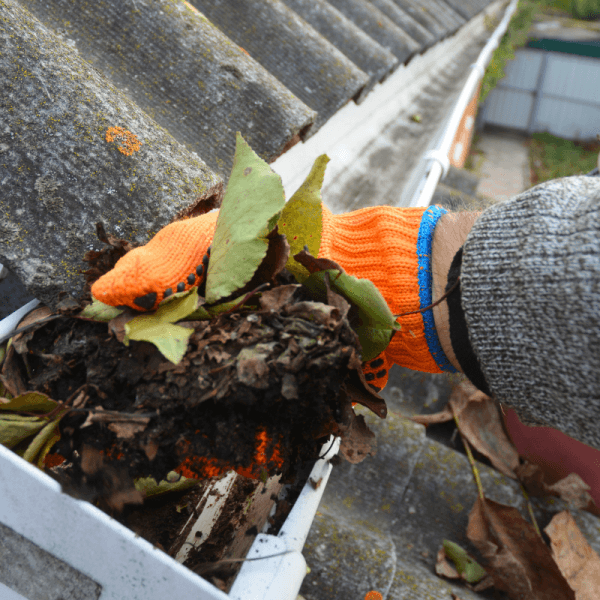
- Clear out roof gutters and drainpipes to prevent water pooling and flooding.
- Replace old hoses and fittings with durable, high-quality hoses and fittings.
- Conduct routine inspections of plumbing fixtures, fittings, and pipes. Promptly replace leaky or broken taps and shower heads. Regularly maintain toilets and communal washing machines.
- Conduct regular roof inspections and have a professional replace missing or broken tiles to prevent water leaks and building damage.
- Look out for water stains on walls and ceilings.
- Monitor water pressure to prevent burst pipes.
- Seal windows and doors with caulking or weather-stripping to prevent water from entering the building.
- Educate residents on how to prevent water damage (avoiding flushing inappropriate items down the toilet, turning off taps when not in use and reporting leaks or blocked drains).
3. Burst Pipes
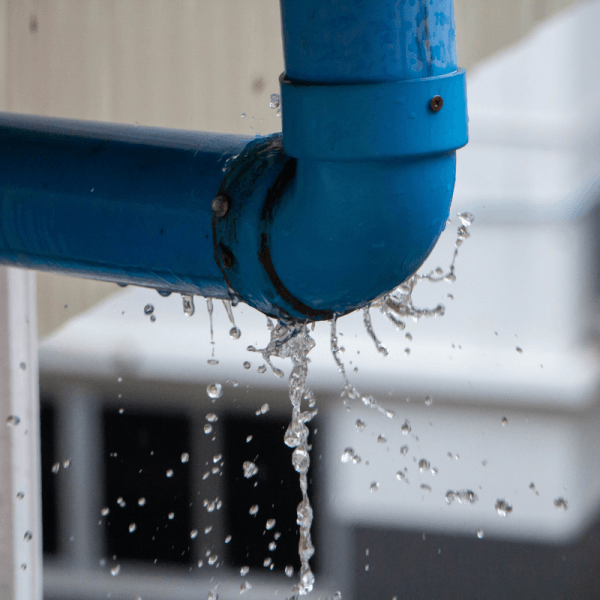
Burst or damaged pipes can lead to extensive water damage within the strata property. Burst pipes can cause flooding, structural damage and the need for repairs to both common areas and individual units.
Prevention tips:
- Properly insulate any exposed pipes to prevent pipe freezing.
- Conduct regular inspections to identify any leaks, cracks, or corrosion.
- Check the condition of flexi hoses; typically found under sinks and vanities and connected to toilets. Replace every 10 years.
- Educate residents on where to find water isolation taps inside the unit and at the main valve in the event of a burst pipe.
- Install pressure-limiting valves at the mains to reduce the pressure on water pipes and joints.
- Check for signs of mould outside kitchen or bathroom areas, as this is a good indicator of a plumbing problem.
4. Glass Breakage
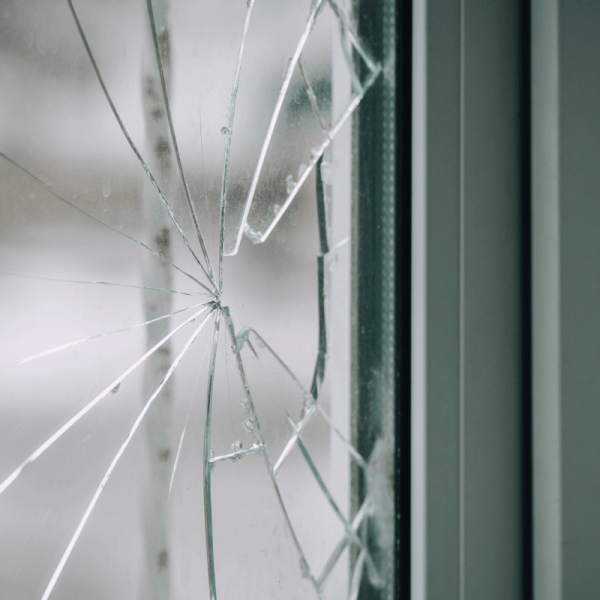
This can occur to windows, doors, or shower screens within the strata property. This often results from accidents, vandalism, or extreme weather events. Strata insurance typically covers the replacement or repair of damaged glass elements in the building.
Prevention tips:
- Install safety glass or double glazing in common areas prone to damage, such as doors, windows, and glass partitions.
- Conduct regular inspections to identify any chips, cracks, or blemishes. Repair or replace damaged glass promptly.
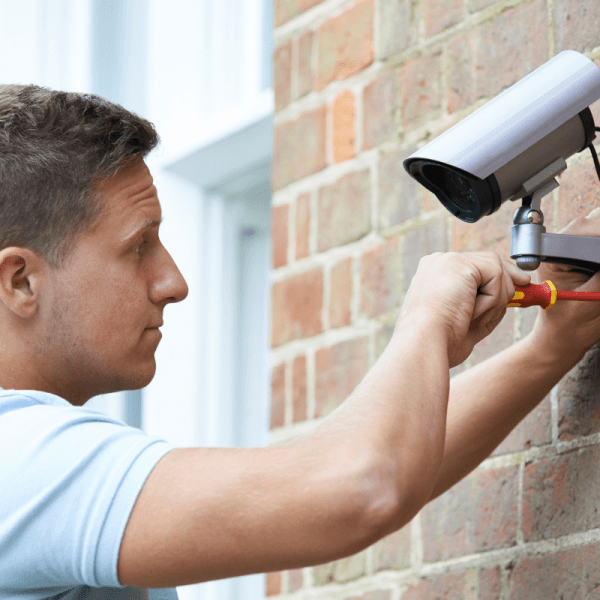
- Install security cameras and main entry points to deter vandals and to review footage if any glass damage occurs.
- Install protective window film or shutters to reduce damage to property windows.
- Install window guards or bars on ground-level windows to reduce vandalism or break-ins.
- Trim trees or shrubs near windows to reduce the risk of damage.
- Have a designated area for ball sports to prevent accidental glass breakage.
5. Fire Damage
Fires, whether accidental or arson-related, can cause significant damage to strata properties. Insurance covers the repair or replacement of damaged structures and property due to fire.
Prevention tips:
- Instruct residents not to leave candles or incense burners unattended.
- Install and regularly inspect/replace fire alarms in all common areas and units.
- Promote safe charging and storage of ebikes and lithium battery-operated devices.
- Provide designated smoking areas and places to dispose of cigarette butts.
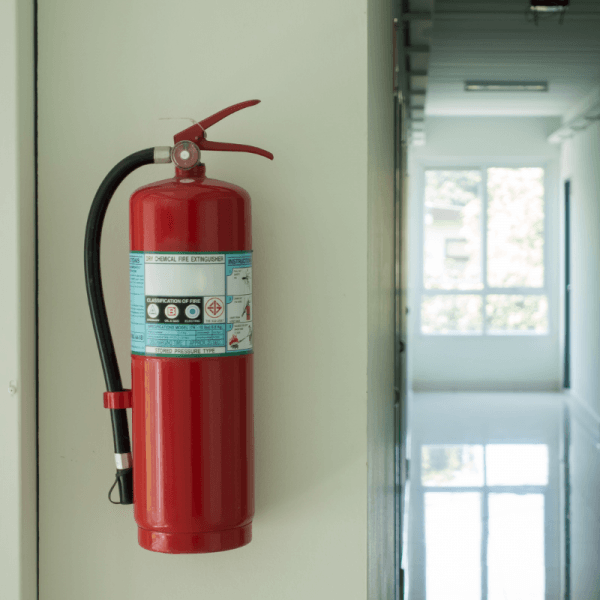
- Install fire extinguishers and fire blankets in common areas.
- Regularly inspect and maintain BBQs, kitchen appliances, and communal appliances such as dryers.
- Have electrical systems and wiring inspected by a licensed electrician. Conduct regular electrical audits to prevent issues that relate to overloaded circuits and outdated wiring.
- Keep BBQs and heaters at least one metre away from objects.
- Ensure all fire pits have a fire shield in place.
- Have a fire evacuation plan in place. Display evacuation routes and procedures in common areas.
- Consult with a fire safety expert and ensure you undergo a property fire safety inspection at least once a year.
6. Vandalism and Malicious Damage
Acts of vandalism and malicious damage can occur in common areas, car parks, or individual units. Insurance can help cover the cost of repairs to broken windows, doors and walls, as well as new locks.
Prevention tips:
- Install well-placed CCTV cameras to monitor main entry points such as the driveway and entrances into your strata property.
- Install motion-detecting security lights in the driveway, entryway, and common areas.
- Consider adding swipe cards or smart locks to shared parking spaces, gyms, and recreational areas.
- Secure entry points with key fobs or access codes.
- Erect fencing and gates around the property to restrict unwanted access,
- Post signage around the property alerting vandals that they are being monitored.
- Encourage residents to remain vigilant and to report any suspicious activity or incidents of vandalism.
7. Accidental Damage
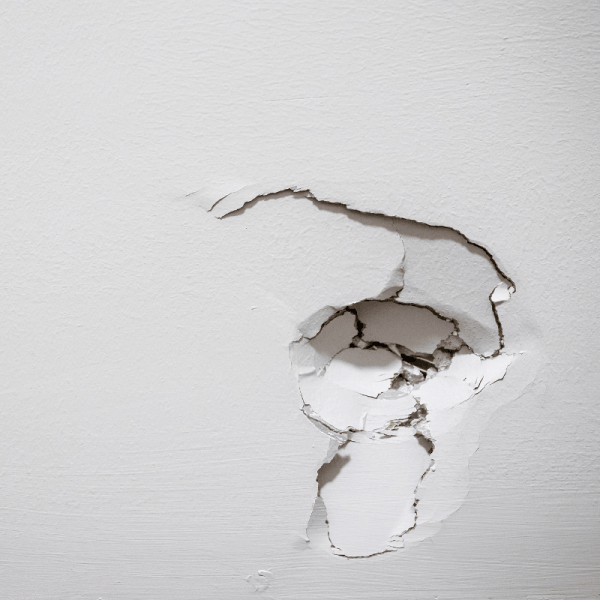
Accidental damage arises when damage to the insured property is caused by sudden and unforeseen circumstances, such as walls being damaged during moving or benchtops being damaged by hot saucepans.
Prevention tips:
- Keep communal areas free from tripping hazards. Check for damaged carpets or any objects outside doors and stairwells.
- Provide clear instructions for the proper use of communal amenities.
- Encourage residents to use furniture sliders and padding when moving furniture to prevent accidental damage to floors and walls.
- Provide cutting boards and placemats in communal kitchens to prevent scratches and burns on countertops.
- Install safety gates and childproofing in recreational areas.
- Regularly inspect communal appliances and utensils to prevent accidental injury.
- Have designated pet spaces and implement leash rules in communal areas.
8. Impact Damage
Strata buildings are covered for damage caused by third-party vehicles, such as a car colliding with the building or common property.
Prevention tips:
- Provide clearly marked parking bays and parking guidelines.
- Install bollards or barriers in between car parks and buildings to prevent accidental collisions.
- Install guardrails along driveways and property perimeters.
- Install speed bumps or have clear signage alerting drivers to reduce speed limits when entering the property.
- Consider installing controlled access gates or pin/fob access at the entrance to prevent unauthorised vehicles from entering.
- Have a designated visitor parking area.
- Use plants or fencing to act as a barrier between pedestrian areas and driveways.
- Use reflective markers on curbs and roadside structures.
- Install adequate lighting in parking areas, driveways, and pedestrian walkways.

9. Public Liability Claims
Liability claims may arise if someone is injured or their property is damaged. Strata insurance typically includes public liability coverage to address these claims.
Prevention tips:
- Prevent slipping hazards by encouraging residents to clean up spills in communal areas. Provide adequate paper towels and cleaning equipment.
- Install handrails and non-slip flooring in high-traffic areas such as communal bathrooms, kitchens, and entryways.
- Apply anti-slip strips on steps/stairways.
- Keep high-traffic areas clear of any obstructions.
- Equip communal areas with safety equipment, including first aid kits.
- Establish a clear and simple system for residents to report any issues.
Stay vigilant. Keep an eye out for any safety hazards and address them promptly.

10. Office Bearers Liability Claims
Sometimes an owner may deem a decision made by an office-bearer (including the committee) on behalf of the owners to be wrongful or incorrect and take legal action. Office Bearers liability provides protection for those committee members against these allegations and can cover their legal and defence costs.
Prevention tips:
- Educate yourself and fellow committee members about your roles, responsibilities, and potential liabilities.
- Stay updated on any changes in legislation or regulations that may affect your strata scheme.
- Have clear policies and procedures in place, including rules for maintenance, safety procedures, and financial management.
- Conduct regular meetings and regularly update committee members and tenants on important matters and decisions that may affect them.
- Maintain accurate bookkeeping, keeping records of all meeting minutes, correspondence, financial records, and other important documents.
- Regularly review your finances and budget.
- Seek professional help, whether it’s a financial advisor, lawyer or insurance company. Don’t hesitate to ask for advice on managing your strata property.

The importance of strata insurance
It’s important for strata property owners, strata managers and insurance brokers to carefully review their strata insurance policy to understand what is covered and what may require additional coverage.
Insurance needs can vary depending on the location, type of property, and the risks associated with the property (past claims, defects or other risk factors).
Regular maintenance and risk mitigation measures can help reduce the likelihood of claims and associated costs. Having a strata insurance policy in place provides peace of mind to owners.
CHU makes it easy to lodge a claim. You can do so 24/7 via our website or contact our claims team.
On Thursday 31 May 2024, over 100 industry professionals gathered in Sydney for a half-day strata seminar hosted by Insurance News. The attendees were there to hear from a range of industry experts and gain valuable insights on key issues facing the strata insurance sector.
The event covered some key topics which included:
- Strata insurance affordability
- Climate change and predictions for the future
- Transparency of strata remuneration
- Building defects and ongoing risks
- Strata industry regulations
As a sponsor of the event, CHU’s CEO, Kimberley Jonsson opened the seminar with a presentation on the state of the strata market, growth forecasts and key challenges including affordability. This was followed by insights from experts on climate threats, defects and regulations, a panel discussion and a thought-provoking closing statement from the New South Wales Strata Commissioner John Minns.
Strata insurance affordability: a new perspective
Our CEO presented compelling data that challenges the common belief about strata insurance affordability. When attendees were asked to estimate annual strata insurance costs, most chose the $1000-$1500 range. However, CHU’s data reveals the average cost across Australia’s capital cities is $954 (as at May 2024). Even when considering weekly incomes, strata insurance remains more affordable than home insurance.
“Despite strata residents earning less, their insurance is much more affordable,” Jonsson explained.
CHU acknowledges that premiums have increased over the past five years and that affordability and costs of living remains a concern for many. With premiums being a shared responsibility across all lot owners, strata living may offer a more affordable solution to these challenges.
The future in perspective with climate threats
Finity Principal Sharanjit Paddam highlighted the need to consider a range of climate risks in strata insurance. While cyclones and bushfires are major concerns, Paddam emphasised the looming threats of coastal erosion and extreme sea level rise which are difficult and expensive to protect against.
“Heat stress is another issue affecting more of the country,” Paddam noted, explaining that the Wet Bulb Globe Temperature, which tells us how hot it is based on a combination of temperature, humidity, wind speed and sunlight, will significantly impact liveability across Australia as climate change progresses.
A panel discussion on transparency and remuneration
A panel of strata professionals from leading brokerages and industry advisory groups discussed the impact of affordability challenges and the transparency of intermediary remuneration.
“There’s a need for more transparent pricing arrangements,” said John Trowbridge, a consultant, advocating for changes to remove conflicts of interest between brokers and strata managers.
The ongoing battle with building defects
Defects have always been a challenge for the strata industry. Bronwyn Weir, co-author of the Building Confidence report, highlighted the ongoing issues with building defects, particularly flammable cladding. Despite efforts from groups like the Insurance Council of Australia, there are several recommendations from her report that are still to be implemented by governments.
Weir stressed the emotional toll on property owners dealing with these defects, saying, “The financial costs are significant, but the emotional stress is also a major concern”.
Strata industry regulation
New South Wales Strata and Property Services Commissioner John Minns discussed the declining trust in the strata sector since its inception, attributing this to factors like complexity, competence, and cost. Minns warned that the sector’s challenges could impact housing supply strategies and affordability initiatives.
“We must improve confidence in strata to ensure the social and economic wellbeing of many in New South Wales and Australia,” Minns concluded.
Demystifying strata through education
The seminar highlighted the need for ongoing education, communication and action to address the pressing issues in strata insurance. From affordability and climate risks to transparency and building defects, these insights provide a roadmap for enhancing the sector and ensuring it meets the needs of property owners and industry professionals alike.
To learn more about the state of the strata market, contact the CHU team. There is a range of opportunities to learn more through our insurance webinars for brokers and strata managers and our ongoing news and insights articles.