
13/10/2025
11 min
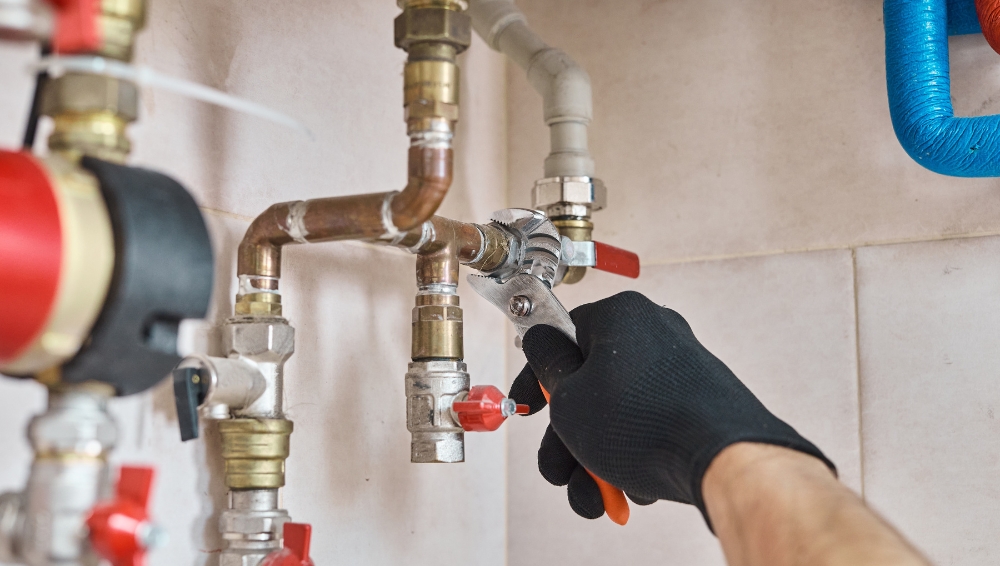
Pressure Reducing Valves (PRVs) play a critical role in managing water pressure within strata buildings. Failures of these devices can result in significant water damage, financial loss, and operational disruption.
Several recent cases of bursting PRVs highlight an emerging risk for property owners, and understanding the risks associated with PRVs is an important part of maintaining building resilience.
PRVs regulate incoming water pressure to safe levels, protecting plumbing systems, fixtures, and appliances. When functioning correctly, they help prevent:
However, when PRVs fail from rupture or bursting, the result can be rapid and extensive water damage.
While PRVs are generally reliable, several factors can increase the likelihood of failure:
1. Incorrect Installation
Manufacturers typically specify that PRVs:
Non-compliant installation can lead to:
Over time, this can accelerate wear and tear and increase the risk of failure.
2. Environmental Conditions
PRVs are often installed in concealed or hard-to-access areas such as ceiling voids.
In these environments:
These factors can contribute to the gradual deterioration of performance. A lack of routine inspection or servicing, often due to limited access, can allow minor issues to escalate into a failure.
4. Amplified risk in large buildings
In multi-residential or strata buildings, PRVs are often installed in large numbers, sometimes multiple per lot.
This creates compounding risk:
These risk factors can ultimately lead to reduced performance, leakage and in severe cases, rupture or bursting.
To strengthen building resilience and minimise the likelihood of failure, consider the following actions:
✔ Verify Installation Compliance
✔ Conduct Regular Inspections
✔ Improve Accessibility
✔ Monitor Patterns
✔ Plan Preventative Maintenance
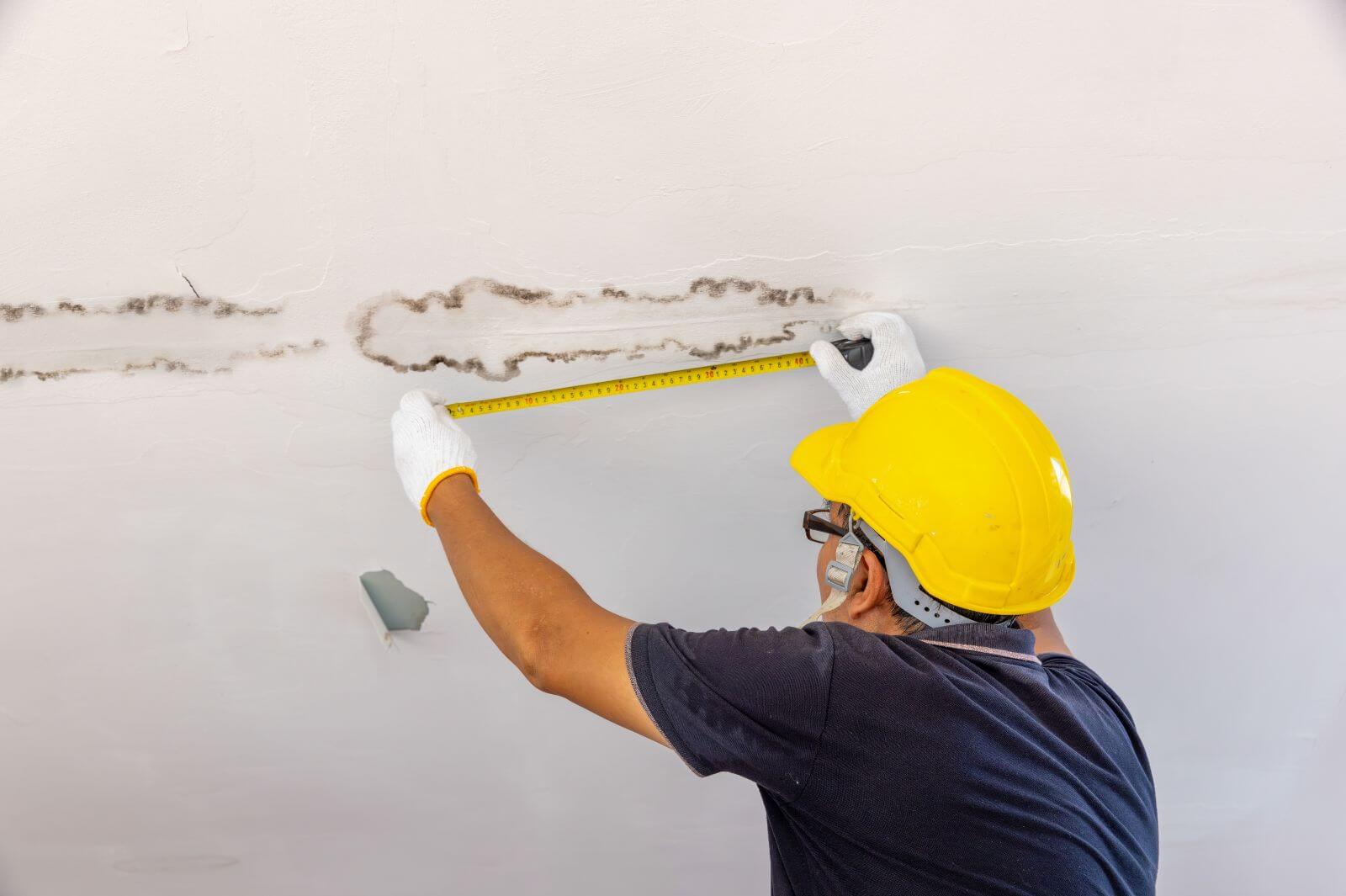
A recent strata property highlighted how these risks can materialise in practice. A water damage claim exceeding $141,000, with a $20,000 excess, was linked to the failure of a pressure reducing valve, with multiple similar failures previously recorded within the same building. The property contained hundreds of valves installed across numerous lots, amplifying the impact of recurring issues. The investigation identified installation positioning—incorrectly installed upside down within ceiling voids— as the likely cause of the failure. The building was over 5 years old and the warranty on the PRVs had expired. This example demonstrates how installation practices, when repeated at scale, can lead to systemic risk and significant financial exposure.
PRVs are relatively small components within a larger system, but their failure can have far-reaching impacts. Taking a proactive approach to installing, inspecting, and maintaining your PRVs may help prevent avoidable damage and strengthen your property’s resilience.
For more insights, contact CHU Building Resilience Services at [email protected] or call 1300 618 312.